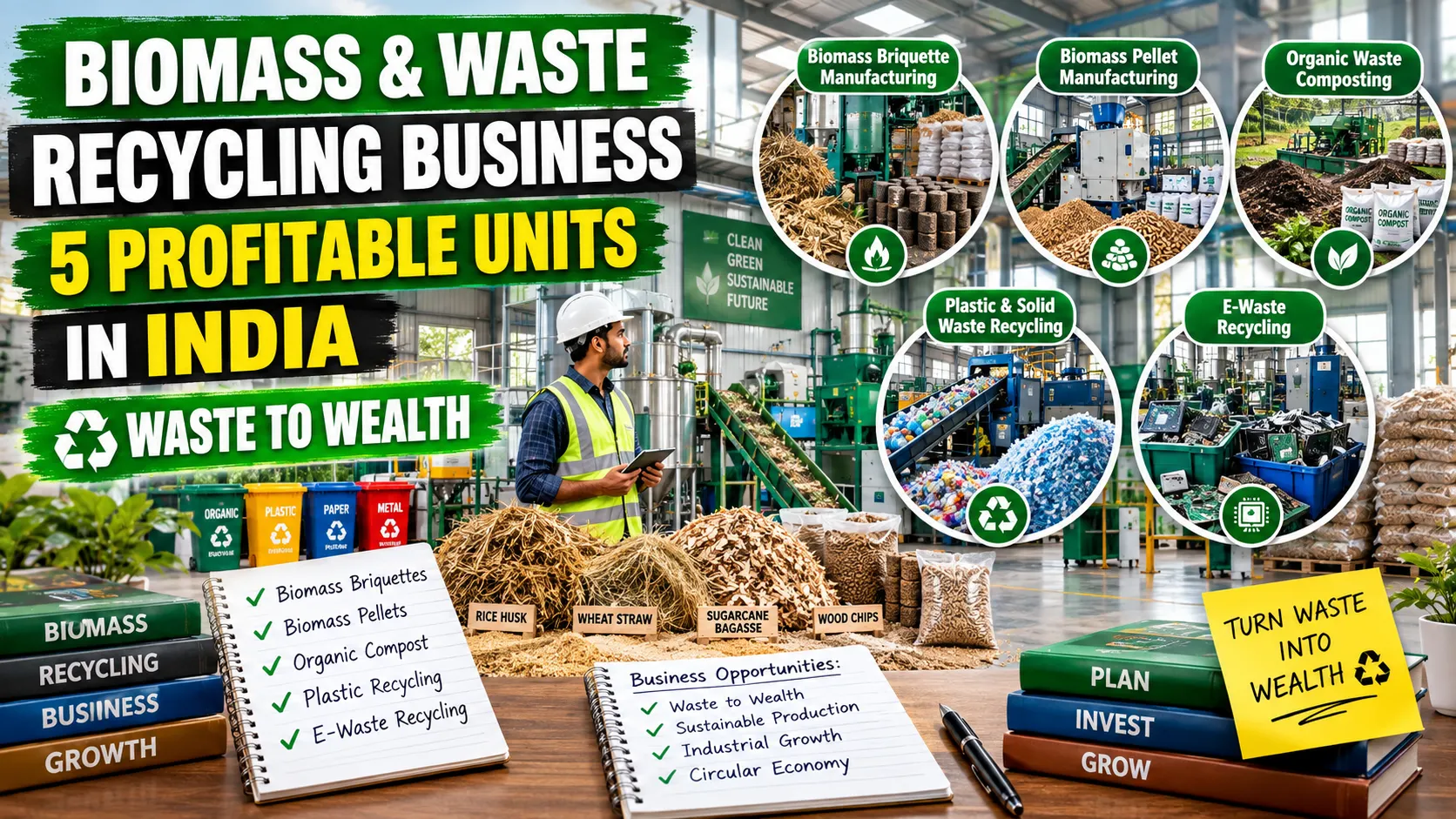
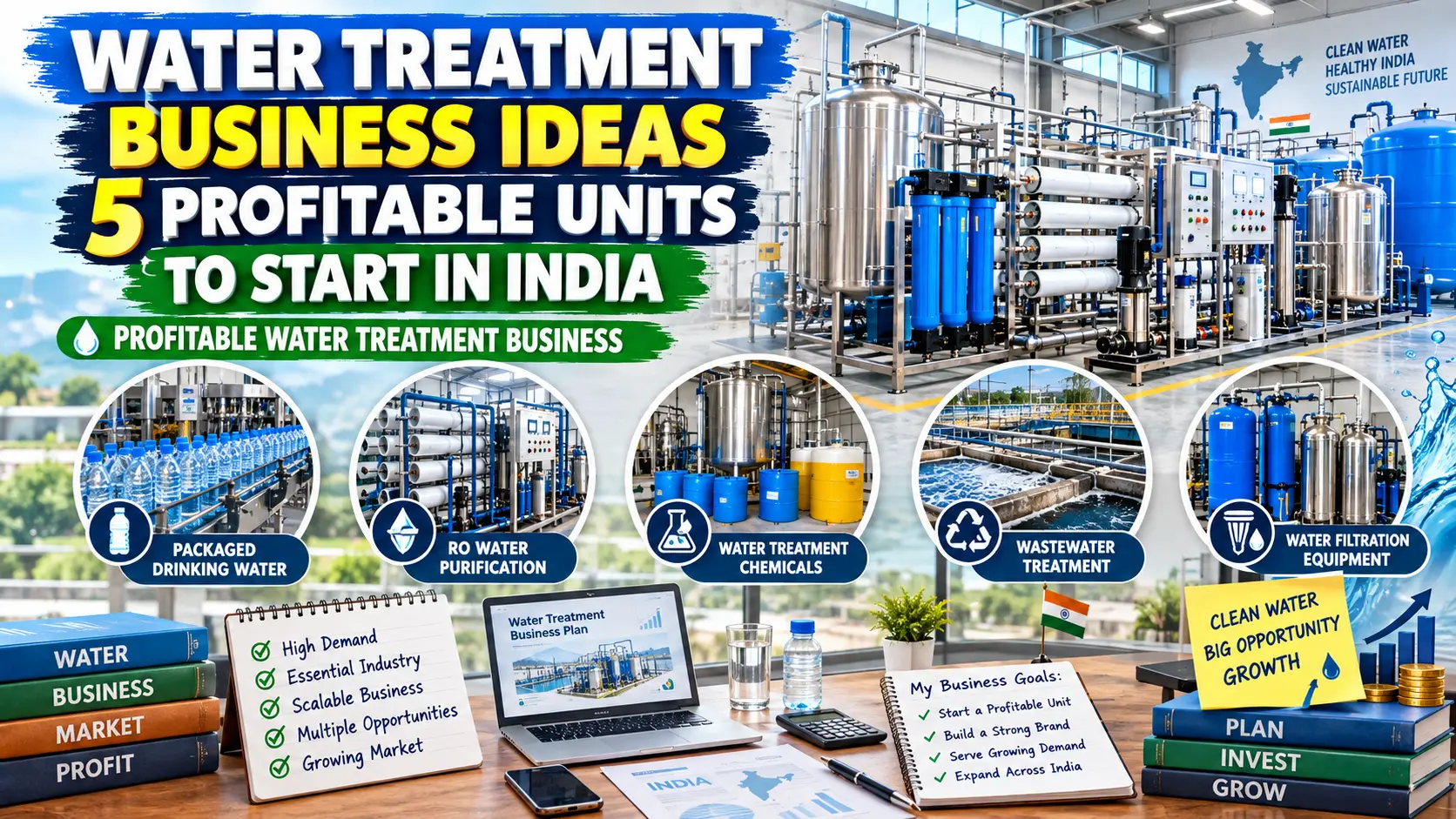
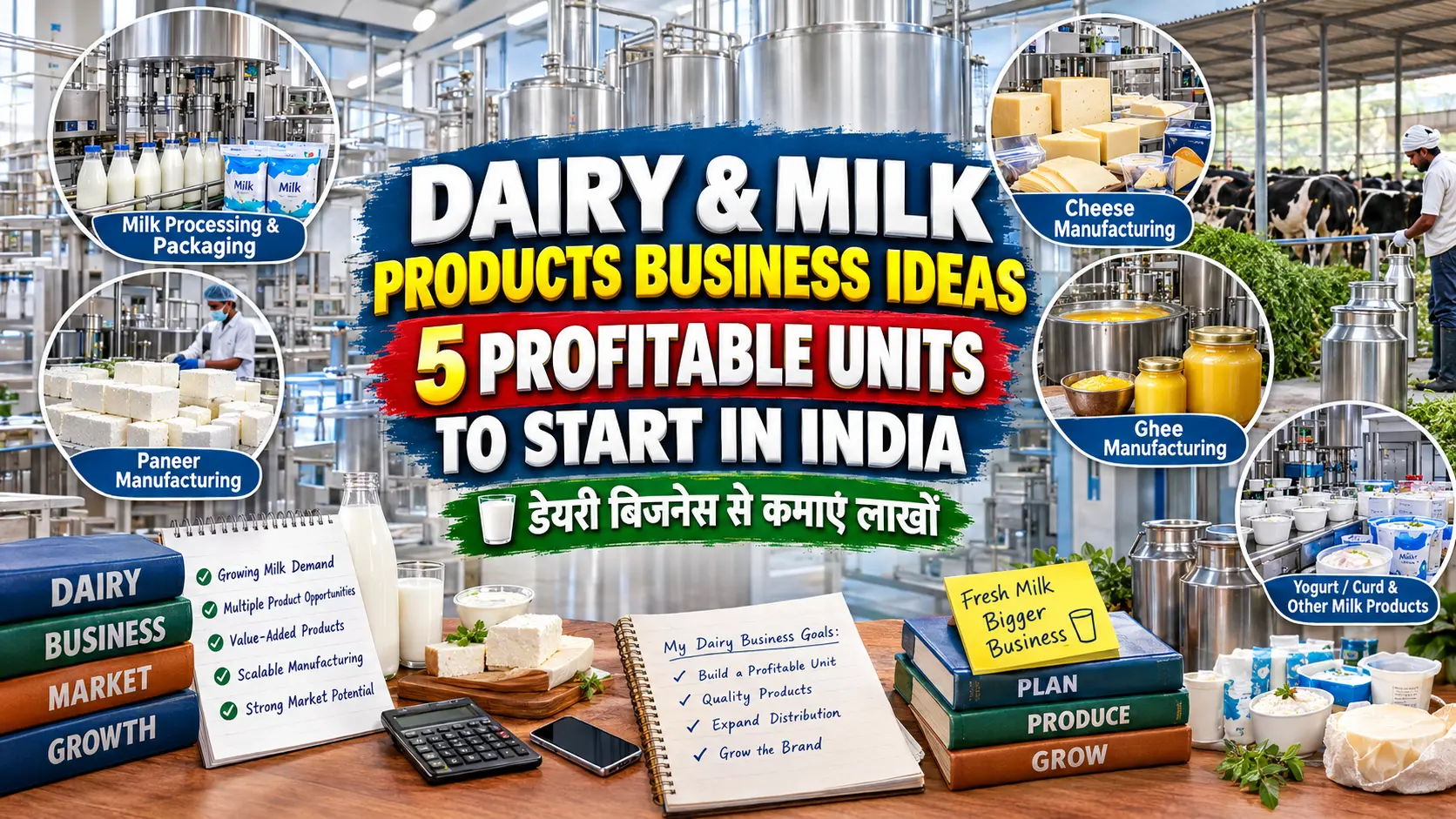
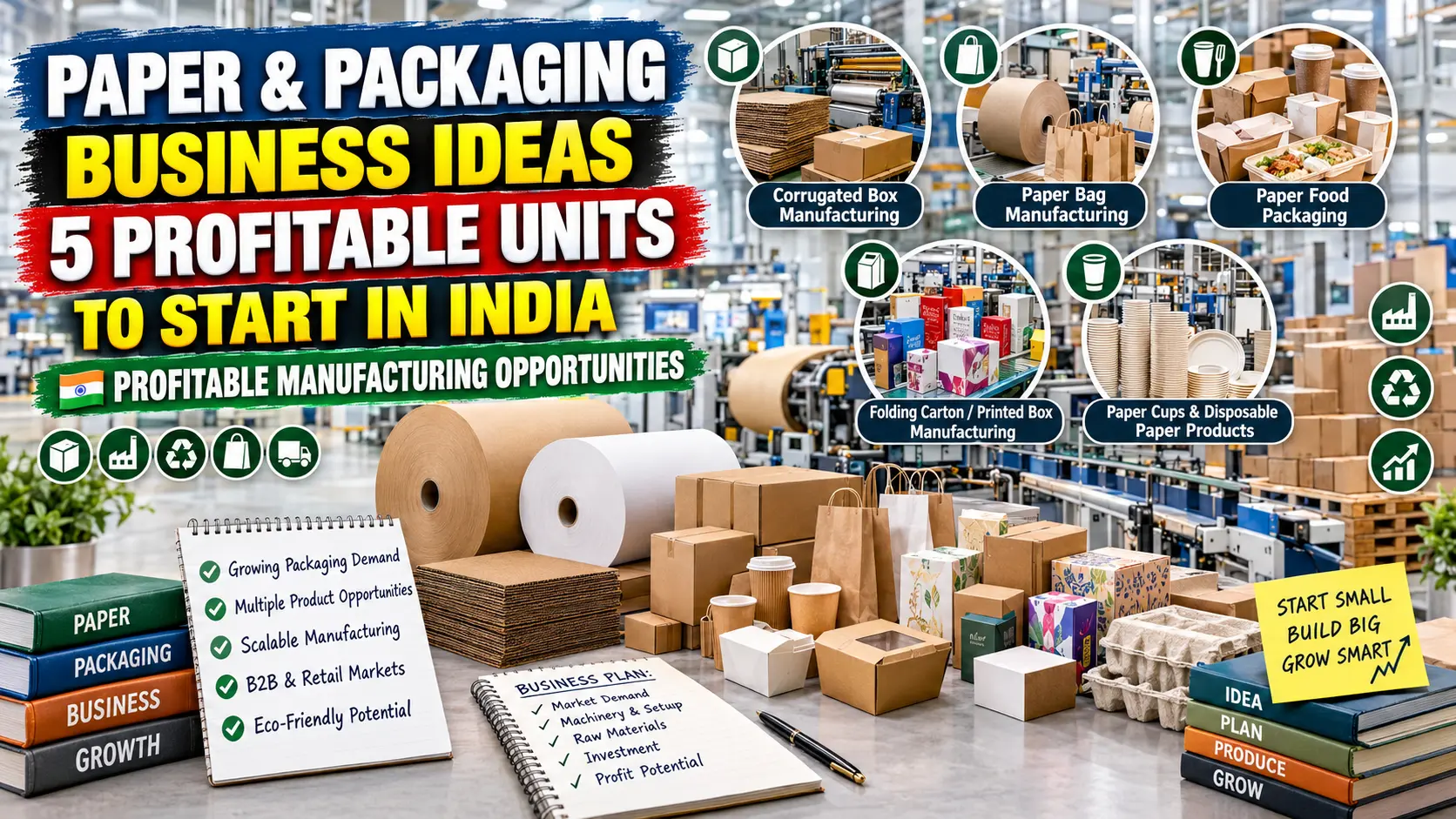
Starting a food manufacturing business in India is one of the most promising ventures in today’s economic landscape. With increasing urbanization, rising disposable incomes, and changing consumption patterns, the demand for packaged and processed food is growing exponentially. From ready-to-eat meals to dairy products, snacks, spices, and health supplements—there’s room for innovation and growth across a wide spectrum of products. If you’re planning to tap into the booming food sector, this comprehensive guide will walk you through every essential step.
Contents
- 1. Steps to Start a Food Manufacturing Business in India
- 1.1. 1. Understanding the Food Manufacturing Landscape
- 1.2. 2. Choosing the Right Food Product
- 1.3. 3. Business Plan & Budgeting
- 1.4. 4. Legal Registration and Licensing
- 1.5. 5. Location & Infrastructure Setup
- 1.6. 6. Sourcing Raw Materials
- 1.7. 7. Hiring the Right Team
- 1.8. 8. Implementing Quality Control
- 1.9. 9. Branding, Packaging & Labeling
- 1.10. 10. Sales and Distribution Strategy
- 1.11. 11. Export Opportunities
- 1.12. 12. Leveraging Government Schemes
- 1.13. 13. Challenges to Prepare For
- 1.14. Conclusion
Steps to Start a Food Manufacturing Business in India
1. Understanding the Food Manufacturing Landscape
India is the world’s second-largest producer of food after China. The food processing industry contributes significantly to the GDP and is one of the largest employment-generating sectors. This makes food manufacturing a lucrative space for new businesses. Entrepreneurs need to understand the market dynamics, including customer preferences, packaging trends, supply chain logistics, and food safety regulations. Identifying a niche—be it organic snacks, frozen meals, or regional delicacies—can give your food manufacturing startup a distinct identity.
See Also: November 2017 Entrepreneur India
2. Choosing the Right Food Product
Deciding what to manufacture is crucial. Your choice should align with current market demand, availability of raw materials, shelf life, pricing strategy, and your own expertise. Some popular categories in the Indian market include:
Packaged snacks (chips, namkeen, biscuits)
Dairy products (paneer, curd, cheese, ghee)
Bakery items (cakes, cookies, breads)
Health foods (protein bars, millet-based items)
Ready-to-cook or ready-to-eat meals
Beverages (juices, flavored water, energy drinks)
Carry out detailed market research to identify gaps and assess your competition before finalizing your product.
3. Business Plan & Budgeting
Creating a well-structured business plan is essential. It should cover:
Executive summary
Business model
Market research
Financial projections
Funding sources
Raw material sourcing
Equipment requirements
Sales and marketing strategies
Budgeting will vary depending on the product category and scale. A small-scale food manufacturing unit might require ?10–50 lakhs initially, while a medium to large-scale operation could cost upwards of ?1 crore. Include costs for licenses, plant setup, manpower, branding, and working capital.
4. Legal Registration and Licensing
Food manufacturing is a highly regulated sector in India. You must adhere to the rules laid down by the Food Safety and Standards Authority of India (FSSAI) and other governing bodies. Here’s a checklist of mandatory registrations and licenses:
Company registration (as a proprietorship, partnership, LLP, or Pvt Ltd)
FSSAI License – Central or State depending on your scale
GST Registration
Factory License under the Factories Act, 1948
Pollution control clearance from respective SPCB
Trademark registration (for brand protection)
BIS Certification, if applicable
Non-compliance can lead to hefty fines or business shutdown, so ensure all licenses are valid and up to date.
5. Location & Infrastructure Setup
Selecting a location plays a vital role in your food manufacturing business’s success. Factors to consider:
Proximity to raw material sources
Access to transportation and logistics facilities
Availability of skilled/unskilled labor
Power and water supply
Compliance with zoning laws and pollution norms
Once the site is finalized, design your factory layout with distinct zones for raw material storage, processing, packaging, and storage. Install necessary equipment such as mixers, grinders, ovens, packaging machines, cold storage units, etc., based on your product type.
6. Sourcing Raw Materials
Maintaining the quality of your food products starts with sourcing premium raw materials. Establish strong relationships with reliable vendors and farmers to ensure a steady supply. Key factors when sourcing:
Quality and freshness
Cost-effectiveness
Seasonal availability
Organic or non-GMO certifications (if required)
Local vs. imported ingredients
To ensure uniformity in taste and texture, consistent quality of raw materials is essential in food manufacturing.
7. Hiring the Right Team
Manpower is the backbone of any manufacturing business. For food processing units, hire staff across the following roles:
Production supervisors and machine operators
Food technologists and quality analysts
Packaging and warehouse staff
Marketing and sales professionals
Logistics and delivery team
Invest in regular training, especially in hygiene practices, machine operations, and safety protocols. An efficient team can minimize downtime and improve productivity.
8. Implementing Quality Control
Strict quality control is non-negotiable in food manufacturing. Your reputation and sales depend on delivering safe, consistent, and flavorful products. Best practices include:
Adopting HACCP (Hazard Analysis and Critical Control Point) standards
Regular lab testing of raw and finished products
Setting up SOPs for each stage of production
Record-keeping and traceability of batches
Regular internal audits
You may also consider ISO 22000:2018 certification for international quality standards.
See Also: Aluminium Extruded
9. Branding, Packaging & Labeling
Your food product must stand out on the shelf. Good branding and attractive packaging can heavily influence purchase decisions. Key points:
Choose a memorable brand name and logo
Use high-quality, food-grade packaging materials
Include key information on the label: ingredients, nutritional facts, FSSAI number, MRP, expiry date, allergen info
Incorporate QR codes or barcodes for tracking
Eco-friendly and resealable packaging is becoming popular among health-conscious and environmentally-aware consumers.
10. Sales and Distribution Strategy
After manufacturing, the biggest challenge is getting your product into the hands of consumers. You can choose from multiple channels:
Local retailers and supermarkets
Distributors and wholesalers
Modern trade chains like Big Bazaar, Reliance, and D-Mart
Online marketplaces like Amazon, BigBasket, JioMart
Your own D2C (direct-to-consumer) website
Set up promotional campaigns, offer product samples, and invest in SEO, social media marketing, and influencer collaborations to drive visibility.
11. Export Opportunities
Once your food manufacturing business is stable in India, consider exporting to countries with significant Indian or South Asian populations. Indian packaged food has a growing market in the US, UK, UAE, Canada, and Australia. To export, obtain:
Import Export Code (IEC)
APEDA registration (for agricultural exports)
International certifications and clearances (like FDA, Halal, Kosher, etc.)
Exporting can significantly boost revenue and brand value.
12. Leveraging Government Schemes
The Indian government promotes food processing through various schemes under the Ministry of Food Processing Industries (MoFPI), such as:
PMFME Scheme – Financial support for micro food enterprises
Mega Food Park Scheme – Infrastructure assistance
Operation Greens – Price stabilization and supply chain support
Credit Linked Subsidy Scheme (CLSS)
Availing subsidies and low-interest loans under these schemes can reduce startup costs and improve profitability.
13. Challenges to Prepare For
Despite the immense potential, food manufacturing comes with its own set of challenges:
Perishable nature of food items
Regulatory hurdles and license renewals
High initial capital for machinery and setup
Ensuring hygiene and consistent quality
Competing with established brands
These challenges can be mitigated through planning, automation, and customer feedback.
See Also: Moringa Powder
Conclusion
Starting a food manufacturing business in India is both exciting and rewarding. The sector is evolving rapidly, with increasing demand for convenience, nutrition, and taste. With proper planning, regulatory compliance, and a customer-focused approach, you can carve a niche in this multi-billion dollar industry. Whether you aim to serve the domestic market or export globally, the right foundation and innovation in food manufacturing can pave the way for long-term success.