
Motivation: Coal is a resource in abundant supply, but has environmental and CO2 concerns. Methanol is also a very flexible chemical that can be produced with coal if accompanied by the appropriate technology.
Motivation: The conversion of bio-waste to methanol is an environmentally friendly approach, appropriate for the global sustainability.
Motivation: The beer culture in India is booming, with a growing middle class and changing consumption patterns.
Motivation: Aluminum beverage cans are both easily recycled, of low weight and long shelf-life.
Motivation: The world-wide love for both beers and a lot of wines presents tremendous potential to create an amazing international brand.
Motivation: The non-grape fruit wines have specific tastes and relatively limited consumers.
Motivation: Rice beer is an indigenous traditional alcoholic beverage of many ethnic groups in Asian countries, which has a unique flavor profile.
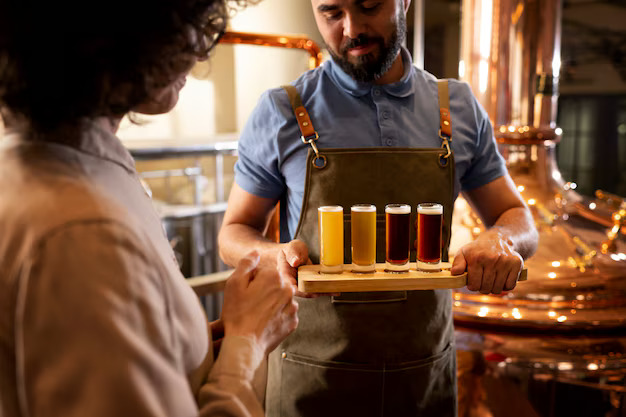
Motivation: Authentic and flavor-driven beers, rich in narrative to resonate with the modern consumer.
Motivation: Fatty alcohols are important ingredients in the production of detergents, cosmetics and personal care products.
Market Insights: The personal care industry is set to grow exponentially, driving the demand for fatty alcohols.
- Diverse Market Reach: This best-selling joint franchise business has branches such as beverages and medical applications, thus reaching different industries lessening reliance on a single field.
- Evolving Consumer Preferences: As global consumers continue to experiment with products and seek sustainability, the likes of bio-waste methanol or craft beer falls within their demand brackets.
- Sustainability: Several of these ideas, like methanol from bio-waste or aluminium can production, align with global sustainability goals, making them future-proof.
Visit this Page for More Information: Start a Business in Alcohol Industry
The alcohol-based products industry is undergoing several transformations, and recognizing the trends can be the key to success.
- Eco-friendly Production: Sustainable manufacturing is a high priority. If bio-waste is used to produce methanol, the environmental footprint also diminishes and this fits in with other trends after a rapidly expanding eco-sensitive market segment.
- Localization: The emergence of a global trend for supporting local businesses, and products in general is this something that can pave the way to enhance competitiveness of local brands especially beer and wine since taste profile has international visibility. This is where craft and rice beers can gain traction playing up local ingredients, heritage etc.
- Innovation in Packaging: The beverage market is changing through innovative packaging ideas. Recyclable and lightweight, aluminum cans are taking the world by storm (especially with Gen Z on a quest for convenience and sustainability).
- Health and Wellness: There has been an increased consumer focus on products that are healthier or provide some perceived benefit. One can further capitalize on this trend by marketing beverages such as rice beer or even fruit wine which are commonly considered natural, much more healthier options than the typical alcoholic beverage.
- Expansion into Emerging Markets: For instance, Asia-Pacific and countries like India & China Overall present massive untapped potential on account of their huge consumer base size along with rising income levels.
- Collaborations and Partnerships: Associating with individuals at a local level such as artisans, farmers or even chefs can help in handcrafting exclusive flavors/products like craft beer, fruit wine to name a few.
- Technological Advancements: The use of technology in brewing, distillation, or even in the production of alcohols for industrial uses can lead to better efficiency, reduced costs, and improved product quality.
- Diversification: Existing firms going vertical in the product. Example, if a beer company started production of craft / rice beer so it can target wider audience.
- Steady Demand: Surgical methylated spirit and Fatty alcohol are great examples of market with consistent demand based on their applications across all industries.
- High ROI Potential: If implemented correctly with the right strategies, particularly in the beverage industry, brands can easily expect a good return on their investments as they are trending high once again.
- Supportive Regulations: Governments all over the world are in support of local manufacturing and sustainable practices with regulations, tax breaks incentives grant etc.
- Consumer Willingness: Modern consumers are willing to pay a premium for products that align with their values, be it sustainability, health, or supporting local businesses.
An in-depth examination of the alcohol-based products sector Because of its broad scope, the global alcohol-based goods market, which includes both consumables and industrial uses, has always been an important industry. Although earlier sections briefly touched on its scope and potential, let’s now explore its nuances in depth and highlight the specific details entrepreneurs must understand.
Alcohol is not new and has history thousands of years old. Alcohol began shaping culture as early as 7000 BCE, when people served it in Chinese fermented grain beverages and cultivated it in Mesopotamian vineyards. The 19th century saw the beginning of its widespread industrial applications, particularly as solvents and antiseptics.
- Traditional Brews: Every region had its alcoholic specialty: sake in Japan, rice beer in India, and fruit wines in Europe. These traditional brews encapsulated the essence of their origin regions.
- Industrial Revolution: By the late 18th and through much of the 19th century, alcohol found its way into manufacturing. Methanol and other alcohols when surfaced of these toxic solvents, had discovered new applications due to their hazardous consumption.
- Modern Day: Globalization has blurred the flavor and taste distances. Originally local, craft beers and fascinating wines are served worldwide. Consequently, sustainable alcohol production, with waste as the raw material is a topic to discuss.
For startups, consumer behavior is one of the most important features that ought to be understood.
- Seeking Authenticity: The new mantra of customers is to have a story in their products. It is reflected in the growth of craft beers, with a story behind each brew that links to its origin, taste identity and spirit of its creators.
- Sustainability: The clients of today are informed, and ethically aware. They demand products made in a sustainable way and go so far as to pay extra. Bio-waste to methanol is a perfect example of this shift.
- Health Trends: Low-alcohol or alcohol-free beverages, organic wines, and antioxidant-rich brews are becoming popular as consumers prioritize health.
- Cultural Influence: Themes from pop culture, movies, and regional festivities play a role. For instance, the popularity of rice beer might see a spike if it gets featured in a global movie or series.
Read our Books Here: Alcohol and Alcohol Based Industries, Alcoholic And Non Alcoholic Beverages, Fruit Juices, Whisky, Beer, Rum, Wine And Sugarcane Bye Products
Startups must understand that the alcohol-based industry’s supply chain is intricate.
- Raw Materials: Be it grain, fruit or coal and bio-waste quality from the source of raw materials. Rather, the quality and consistency of its input also directly determine how good it is.
- Manufacturing Process: Each step from fermentation to distillation and packaging requires great precision. A small modification could change the way a product tastes or how it operates, which can be dangerous.
- Retail Dynamics: Whether a brand chooses to sell through super-market or EBO (exclusive brand outlets) and online platforms impacts the perception of its status amongst consumers.
The alcohol business is one of the most regulated industries worldwide.
- Production Licenses: Obtaining permits for production like consumable alcohol means undergoing stringent quality and compliance regulations.
- Distribution & Sale: Age restrictions, taxation, permissible quantities and even sale timings change with different regions.
- Advertising: Alcohol advertisement is subject to various regulation in different countries which will affect the overall strategic decision for promoting a brand.
- Initial Investment: Starting an alcohol manufacturing unit especially for beverages need too much capital.
- Operational Costs: Including the raw materials up to utility costs and employee wages, operational expenses are big.
- Margins and Profitability: While premium products like craft beer can command higher prices, others, especially industrial alcohols, operate on slimmer margins.
- Economic Fluctuations: The alcohol industry, especially the luxury and premium segments, can be sensitive to economic downturns.
- Emerging Economies: Countries such as India, China and Brazil have unending opportunities. The rising disposable income of its growing middle class segment is encouraging the demand for alcohol-based products.
- Mature Markets: These are regions like Europe and North America where not much growth is expected but there is space for niche products, innovation in flavors and sustainable solutions still.
- Trade Dynamics: Import-export regulations, tariffs and trade agreements have important bearings on cross-border sales as well as sourcing.
- New Flavors & Brews: In the beer and wine industry there are no shortages of new flavors or brews introduced into the market. Different flavors, brewing technique and blends can make a brand little unique from the others.
- Sustainable Production: R&D in waste derived alcohols can lead to lower production costs, catering also purposeful sustainable consumers.
- Packaging Innovations: Biodegradable packaging, Smart bottles with NFC chips or unique types of cans can give a Unique factor and value to the brand.
- Cultural Sensitivities: Not all cultures accept drinking alcohol. To that end, it is essential to keep cultural nuances in mind so as not to inadvertently fall into a pitfall.
- Over Saturation: As much as opportunity there is, the fields are crowded too particularly when you look at popular vertical like craft beer.
- Regulatory Changes: Instant regulations will change, like increased taxes or advertising restrictions.
- Quality Concerns: Since exposure to any quality shortcomings could mean huge financial and brand damage.
- Brand Building: The investments in brand building through storytelling, authenticity and quality assurance can help to earn customer loyalty.
- Diversification: Invest in multiple segments to be hedged against risks Simply put, a luxury wine brand can test budget-friendly offerings as well.
- Collaborations: These can help extend brand reach to suit the likes of a region by associating themselves with local artisans or celebrities, even good influencer marketing helps too.
- Feedback Loop: Every great app starts as a prototype; by collecting feedback regularly and quickly pivoting direction you increase your chances of long-term success.
With its extensive reach and rich history, the alcohol-based products sector presents unmatched prospects. It is, nevertheless, not without difficulties. Startups and companies looking to enter this market need to have a comprehensive understanding of everything from consumer psychology to regulatory environments. Our job as industrial project consultants is to steer these endeavors, making sure they capitalize on opportunities, minimize risks, and navigate this complex business with ease.
Visit the page Select and Choose the Right Business Startup for You for sorting out the questions arising in your mind before starting any business and know which start-up you can plan.
We, at NPCS, endeavor to make business selection a simple and convenient step for any entrepreneur/startup. Our expert team, by capitalizing on its dexterity and decade’s long experience in the field, has created a list of profitable ventures for entrepreneurs who wish to diversify or venture. We update the list regularly to give you a steady stream of new emerging opportunities.
Frequently Asked Question
What are the key legal requirements for starting an alcohol-based products business in India?
To start an alcohol-based products business in India, you must secure multiple licenses and approvals, primarily from the State Excise Department, since alcohol is regulated at the state level. These typically include excise/retail or manufacturing licenses, environmental clearance, and state-specific permits before you can legally produce, distribute, or sell alcoholic products. Compliance with all local and national norms is essential before operations begin.
How much investment is needed to launch an alcohol products venture in India?
The investment varies widely depending on the scale and type of products you plan to produce (e.g., spirits, craft beverages). For small-scale production, initial investment can start from several lakhs, while medium to large operations may require crores, especially when factoring in licensing, infrastructure, raw materials, and legal costs. Effective budgeting and financial planning are crucial to long-term sustainability.
What are the biggest challenges when starting an alcohol-based business here?
One of the biggest challenges is navigating India’s complex regulatory environment, since each state has its own excise policies, tax structures, and compliance norms, which can affect cost, pricing, and distribution strategy. In addition, heavy taxation and limitations on advertising and branding also impact profitability and market positioning.
Can an alcohol-based business in India target export markets?
Yes, alcoholic beverage producers in India can explore exports, which can significantly expand market reach. However, exporting requires additional clearance and compliance with international labeling and safety standards, and often coordination with export houses and distributors who understand foreign regulatory environments. Good planning and quality assurance are key to tapping into export opportunities.