
How to Start a GFRP Rebar Manufacturing Business
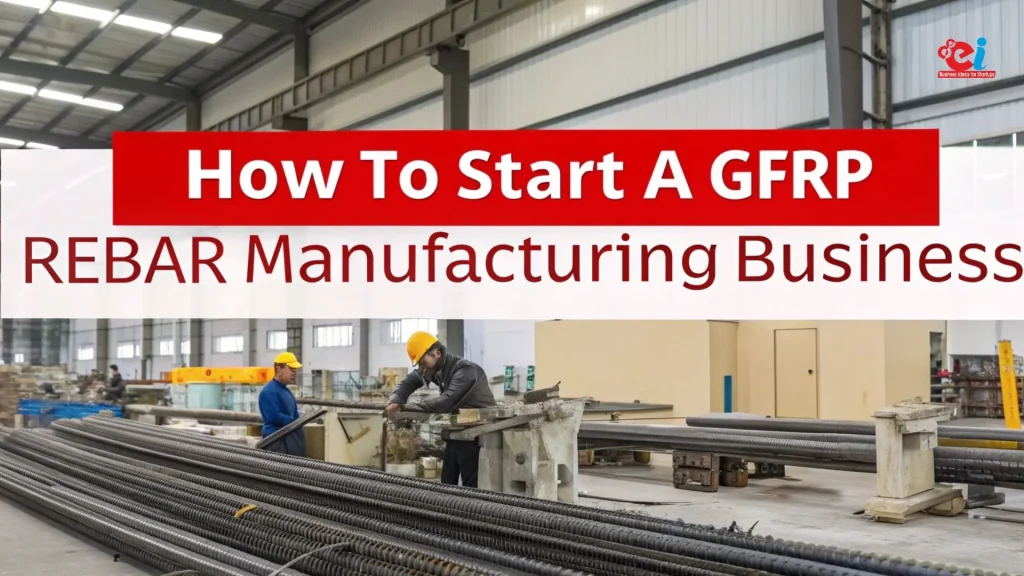
An Untapped Opportunity in the Future of Reinforcement As India modernizes its infrastructure with smart cities, expressways, coastal ports, and metro lines, the construction sector is on the lookout for innovative materials with the required longevity, resilience, strength and sustainability? GFRP Rebar are one of the advancements that are rapidly being adopted. They are fortified against corrosion, and in comparison to traditional steel rebars, GFRP rebar are lighter and stronger. These characteristics make GFRP rebars perfect for projects susceptible to moisture and chemicals such as bridges, marine structures, underwater tunnels, and water treatment facilities. The GFRP rebar market in India on the other hand is still in its infancy which means enormous opportunities for first-mover entrepreneurs. This guide provides a? actionable and practical blueprint for industrialists and manufacturers wishing to venture into the GFRP space. From the manufacturing processes and resources needed, technical details, compliance requirements, strategic business growth, and everything else needed to establish a successful, resilient and future-ready manufacturing business, we will discuss it all. Why GFRP Rebars Are Replacing Steel in Modern Construction Steel rebars are one of the most useful materials in the construction industry for several years, but like any other material, it has its limitations. For example, steel is prone to corrosion. In high humidity or saline environments, steel can weaken entire structures and maintenance costs. GFRP rebars eliminate this risk. Manufactured using Continuous glass fibers bound with thermosetting resin like epoxy or vinyl ester, GFRP rebars possess comparable tensile strength to steel while being much lighter. Their non-conducive thermal and electrical properties and lack of rusting makes them suitable for delicate installations like hospitals and defense structures. In the eyes of the business world, GFRP is not a trend. Investment infrastructure designers and project consultants are consistently incorporating GFRP in tender documents and builders have become more open to strategies that help sustain the life cycle of the assets. Related: How to Set up Your Production Business of Glass Fiber Reinforced Polymer (GFRP) Rebar The GFRP Manufacturing Process Explained Before planning your plant setup, it’s important to understand the manufacturing process. The GFRP rebars are produced using a method called pultrusion, which is a continuous method that ensures uniformity, high production rates, and low wastage, preferable for scalable manufacturing. The process starts with drawing glass fiber rovings from several spools and threading them through a resin bath. The resin which is usually a mix of epoxy or vinyl ester, augmented with curing agents and other performance additives. It is then heated to solidify into the desired profile. After this, the rebars are cooled and cut to specified lengths. They undergo a quality assessment and are packaged for shipment. If every step is executed properly, the composite rebars are strong and uniform in strength, finish, and dimensions. The uninterrupted working model is one of the advantages of the pultrusion method. It streamlines production efficiency and scalability. Automation can be implemented for various phases of the process, such as resin feeding and surface coating, which benefits both MSME and mid-cap manufacturers. Raw Materials and Setup Requirements Plant setup along with raw material procurement for starting up a GFRP Rebar unit requires strategic planning. The primary materials required include: Glass Fiber Rovings: These have high-grade rovings which enhances product performance. Polymer Resin (Epoxy or Vinyl Ester): For binding matrix, choice is made based on the applications needed. Curing Agents and Accelerators: Used during pultrusion phase and added to start the hardening phase of the resin. Silica Sand or Wrapping Yarn: Coating materials that increase bonding with concrete structures. Your essential investments from a plant setup perspective will be: Pultrusion Machine with die heating and pulling system Resin Mixing Station and storage tanks Cutting and Cooling System Quality Control Lab with basic mechanical testing equipment With 10,000–15,000 sq. ft. of industrial land, a plant with the right power and water supply can house the machinery, raw material storage, production, and packaging. There will be a need for skilled workers to operate the machines, manage resin formulations, and oversee production quality. For more Information Check Our Project Reports Compliance and Standards: What Indian Manufacturers Need to Know To manufacture GFRP rebars in India legally and profitably, your product needs to comply with IS 16658:2017, which is the BIS specification for GFRP rebars. This certification is necessary to bid for government projects and gain credibility in the private sector. Apart from this technical standard, entrepreneurs need to ensure: Company registration (under MSME or Private Limited format) GST Registration Pollution Control Board (PCB) Approval Factory license as per state regulations Power load sanction for industrial operations These compliances not only help with business operation but also provide access to government aid and industrial schemes under the “Make in India” and “Startup India” initiatives. Applications and Buyers: Who Is Likely to Buy GFRP Rebars? As GFRP rebars are strictly a B2B product, sales and purchases occur within specific industries. Your buyers will mainly be: EPC (Engineering, Procurement, Construction) companies executing large-scale public civil works projects. Government contractors working on highways, metros, ports, and smart city projects. Builders of industrial facilities like refineries, water plants, and power plants. Manufacturers of precast concrete components. Additionally, GFRP has some specific applications in the defense, aerospace, and marine fields where electromagnetic neutrality and corrosion resistance is vital. Related: Glass Fiber Reinforced Polymer (GFRP) Rebar Manufacturing Plant Marketing and Sales Strategy: Accessing B2B Customers Focusing on large organizations as your customers means that your sales strategy has to combine both technical aspects and relationship building. Start with a clean, professional website that allows for datasheet downloads showcasing applications, testing results, and industry certifications. This is your digital business card. Market your company on IndiaMART, TradeIndia, and the GeM portal so that you can be found by government departments and contractors. At the same time, proactively build relationships with structural engineers, civil consultants, and project designers as these people have significant influence and buy decisions during the
The Future of Construction: Glass Fiber Reinforced Polymer (GFRP) Rebar Manufacturing Plant
Product Modern glass fibre reinforced polymer (GFRP) rebar has many advantages over conventional steel rebar. It is used as reinforcement in concrete constructions and provides more strength and ductility when compared to conventional steel rebar. Due of its increased robustness, extended lifespan, and versatility in shaping, it is great for a variety of applications. The GFRP rebar plant is the facility where the rebar is made. A production line and other equipment needed for fabricating and assembling the rebar are normally housed at the facility. Also, the facility needs a skilled workforce to create and put together the composite components as well as operate and maintain the equipment. The Production Process There is no one-size-fits-all way of manufacturing glass fibre reinforced polymer (GFRP) rebar because the industry is still in its early stages of development. Nonetheless, the process frequently includes these simple steps: 1. Preparation: Start by obtaining the rebars’ raw ingredients, such as the glass fibres, polymers, and other additives. 2. Mixing and blending the uncooked ingredients to create a uniform mixture. Include the raw components in the proper ratios. 3. Extrusion: The mixture is pushed through an extruder to produce long, GFRP rebar strands in various diameters and shapes. 4. Testing: Each batch of GFRP rebar needs to be checked to ensure that it satisfies the appropriate criteria. 5. Finishing: To strengthen the GFRP rebars’ durability and aesthetic appeal, it is tested, trimmed, and given protective coatings. Once each of these processes is complete, the GFRP rebar is ready for sale. The Market For GFRP Rebar Rebar constructed of glass fibre reinforced polymer (GFRP), a replacement for traditional steel rebar, is gaining popularity. It is being employed in building projects on a greater scale because of its corrosion resistance and ability to reinforce concrete structures while still being lightweight. As a result, GFRP rebar is gaining popularity, particularly in countries with infrastructure corrosion problems. In the US, GFRP rebar usage has increased in parking garages and bridge decks. Also, it is being utilized increasingly frequently in a variety of construction types, such as water tanks, precast buildings, and marine structures. As more cities begin to integrate it in their building regulations, it is becoming to become the standard for construction projects. Europe is beginning to see the application of GFRP rebar in significant construction projects. It is now utilized in various countries, including Spain and Italy, for seismic retrofitting projects and bridge decks. Moreover, GFRP rebar is being utilized in France and Germany to construct energy infrastructure and stop coastal erosion. Asia is a second region that has begun using GFRP rebar in its projects. Japan is especially interested in this technology due to the earthquake-prone nature of its infrastructure. Thailand, China, and India are just a few of the countries employing GFRP rebar in their construction projects. In conclusion, GFRP rebar is increasingly in demand around the world. The Business Case For GFRP Rebar Glass fibre reinforced polymer (GFRP) rebar is a reliable, cost-effective, and long-lasting reinforcement alternative for a variety of architectural applications. GFRP has a number of benefits over traditional steel rebar, including enhanced tensile strength, flexibility, and corrosion resistance. Moreover, it is more cost-effective than steel in most applications, making it a sensible option for many of businesses. The market for this type of rebar is expanding rapidly as awareness of its benefits and cost savings increases. This creates a strong business opportunity for those interested in the construction sector. Starting a venture in this space could be a smart investment with promising profit potential. Uses and Applications Because it offers greater strength, flexibility, and corrosion resistance than conventional steel and aluminium reinforcing bars, glass fibre reinforced polymer (GFRP) rebar is a great substitute. Due to its numerous advantages, GFRP rebar, which has long been utilised in the building industry, has recently acquired popularity. GFRP rebar could transform construction by being ideal for various projects, from large foundations and bridges to smaller walls and walkways. It is easier and cheaper to transport and install compared to traditional steel or aluminum reinforcement. Additionally, its high melting point makes it fire-resistant, helping maintain structural strength in hot conditions. There is a significant chance for growth and expansion for individuals wishing to launch a GFRP rebar business. Benefit Of Starting Glass Fiber Reinforced Polymer (GFRP) Rebar Business Each entrepreneur can gain from founding a Glass Fiber Reinforced Polymer (GFRP) Rebar company. GFRP rebar is a favoured solution for concrete reinforcing due to its superior strength, corrosion resistance, and lightweight. The technology is booming in the building industry and is an alluring opportunity for investors. One of the key advantages of investing in this type of construction material business is the potential for stable and recurring income. Its use in infrastructure and building projects offers consistent demand, while its cost-effectiveness appeals to budget-conscious contractors. With lower maintenance needs compared to traditional materials, long-term savings are another benefit. As the industry continues to adopt newer, more efficient solutions, early investment in this growing sector could provide a strong competitive edge. Also Read: 5 Reasons Why Market Research is Vital for Start-ups NPCS (Niir Project Consultancy Services) Businessmen and entrepreneurs might benefit from obtaining detailed reports from NPCS (Niir Project Consultancy Services), and they soon recognize this through resource sales. Following are few justifications for purchasing NPCS report: Detailed Market Analysis NPCS reports include market research reports to understand market size, growth rates, and demand and supply volumes of the particular special area, as well as the analysis of key players. Feasibility Studies Derived feasibility studies or reports on how doable are those projects enable potential investors to ascertain if they have an opportunity/exist together with the returns and risks involved. Industry Trends and Forecasts NPCS Reports enables the stakeholders to recognize some emerging trends along with potential upcoming forecasts, which can facilitate an organization in their strategic decision-making. Technological Insights File reports under technological insights to show how new technologies impact a specific sector. Regulatory Framework Understanding the
Flat Glass Manufacturing Business | Right Time to Start Industry of Flat Glass
In a world increasingly defined by modern architecture, smart technology, and sustainable solutions, flat glass plays a vital role in shaping the future. From residential windows to high-tech skyscrapers, solar panels to car windshields, the demand for flat glass is growing at a remarkable pace. If you’re an entrepreneur or investor wondering whether now is the right time to dive into the flat glass manufacturing business, the signs point toward opportunity—but not without careful consideration. This article explores the current state of the flat glass industry, market drivers, challenges, and whether now is a strategically sound moment to enter the business. Understanding Flat Glass Flat glass, also referred to as sheet glass or plate glass, is manufactured in flat sheets and is typically used in buildings, vehicles, solar panels, and various consumer goods. It is usually made using the float glass process, where molten glass is poured onto a bed of molten tin to achieve a smooth, uniform thickness. Unlike container glass used for bottles and jars, flat glass is all about utility and clarity. Applications range from simple architectural windows to complex laminated or tempered safety glass in cars and high-rise buildings. Market Overview: A Growing Industry The global flat glass market was valued at over USD 100 billion in 2023 and is projected to grow at a compound annual growth rate (CAGR) of around 6–7% over the next decade. The primary growth factors include: Construction Boom: Rapid urbanization in emerging economies like India, China, and parts of Africa is driving the demand for glass in residential and commercial buildings. Automotive Growth: Rising automobile production globally boosts demand for automotive flat glass. Solar Energy Expansion: Flat glass is a key component in photovoltaic panels, and the clean energy push is accelerating its consumption. Smart Glass Trends: Smart windows and glass facades are increasingly used in modern buildings, adding to the demand. This growth potential, coupled with technology advancements in manufacturing, makes the sector increasingly attractive. Why Consider Flat Glass Manufacturing Now? 1. Construction and Infrastructure Investments Many countries are investing heavily in infrastructure to stimulate economic growth post-pandemic. High-rise buildings, residential complexes, and commercial centers require large volumes of flat glass for windows, facades, and interiors. The global shift toward sustainable building materials, including energy-efficient glass, is amplifying this demand. 2. Rise of Solar Energy Projects With global climate goals and increasing energy costs, governments and corporations are prioritizing renewable energy. Solar panels, which rely on flat glass for efficiency and protection, are becoming more common. According to the International Energy Agency (IEA), solar PV could account for over 20% of the global power supply by 2050—an immense opportunity for glass manufacturers. 3. Automotive Sector Rebound Although the automotive sector faced a downturn during the pandemic, it’s on a strong recovery path. Electric vehicles (EVs), in particular, are seeing rising demand. Modern cars use more glass than ever before—panoramic sunroofs, HUDs (heads-up displays), and advanced safety features all rely on specialized flat glass. 4. Smart Glass and Architectural Innovation From self-tinting windows to glare-reducing facades, flat glass technology is evolving rapidly. The integration of IoT, sensor-based glass, and energy-efficient coatings is transforming traditional glass into high-value components. For manufacturers, this shift opens the door to producing specialized, high-margin glass products. Challenges in the Flat Glass Industry Despite the potential, the business is capital-intensive and not without risks. Here are key challenges to consider: 1. High Initial Investment Setting up a flat glass manufacturing plant requires significant capital for equipment, raw materials, and skilled labor. A float glass plant, for instance, can cost upwards of $100 million depending on capacity and technology. 2. Environmental Regulations The glass manufacturing process involves high energy consumption and emissions. Stricter environmental norms in many countries mean additional costs in the form of pollution controls, certifications, and cleaner technologies. 3. Supply Chain Vulnerabilities From soda ash to silica sand, the flat glass manufacturing process depends on a stable and cost-effective supply of raw materials. Disruptions in logistics or pricing can severely impact profit margins. 4. Competition and Price Sensitivity The market is highly competitive, especially with established global players dominating the scene. Margins can be thin, and profitability often depends on achieving economies of scale and offering specialized or value-added products. Opportunities for New Entrants While entering the flat glass manufacturing business involves hurdles, it also presents unique opportunities for those who innovate or focus on niche markets. Here are some areas where new businesses can excel: 1. Green Building Glass The demand for low-emissivity (low-E), double-glazed, and thermally insulated flat glass is growing. Builders are actively seeking eco-friendly options that reduce heating and cooling costs. 2. Custom and Decorative Glass From digitally printed glass to stained and frosted finishes, custom glass for interiors and boutique projects is in demand. Smaller players can capture market share in this segment with less capital than a large-scale float plant would require. 3. Automated and Smart Glass Smart glass that reacts to heat or light is becoming increasingly popular in both homes and offices. New businesses can partner with tech companies to produce or co-develop these products. 4. Localization in Emerging Markets In regions where flat glass still needs to be imported, there is a gap for domestic manufacturing. Governments often provide incentives for setting up local manufacturing units, making such markets ripe for entry. Steps to Start a Flat Glass Manufacturing Business If you’ve assessed the opportunities and challenges and still see potential, here’s how to move forward: Conduct Market ResearchIdentify your target market—architectural, automotive, solar, or specialty—and understand the competition. Develop a Business PlanFactor in investment, location, raw material sourcing, labor, and potential ROI. Decide whether to build a full-scale float glass plant or a smaller processing unit. Secure FundingOptions include equity investors, bank loans, or government subsidies for industrial projects. Choose the Right TechnologyWhether float, rolled, or sheet-drawing processes, pick based on your product line and scale. Obtain Licenses and ComplianceEnvironmental clearances, zoning permissions, and safety certifications are essential. Hire Skilled WorkforceEngineers, chemists, and
Glass Vials Manufacturing Business for a Range of Medicines, Cosmetic and other Injectable

Introduction to the Booming Glass Vials Manufacturing Sector The glass vials manufacturing industry has experienced rapid growth, driven by increasing demand across sectors such as pharmaceuticals, cosmetics, laboratories, and healthcare. As global health awareness and vaccine distribution surge, the need for high-quality, sterile, and durable glass vials has never been greater. At the forefront of packaging innovation, we are committed to meeting this critical demand with precision-engineered solutions. Understanding the Importance of Glass Vials Glass vials are small, cylindrical containers made from borosilicate or soda-lime glass, widely used for storing liquid or powdered drugs, essential oils, chemical reagents, and other sensitive substances. The inherent properties of glass — non-reactivity, transparency, impermeability, and chemical resistance — make it an ideal packaging material. These attributes ensure product integrity, enhance shelf life, and comply with stringent global standards. Types of Glass Used in Vial Manufacturing Our glass vials manufacturing process incorporates different glass types depending on the application: Type I (Borosilicate Glass): Offers the highest resistance to thermal shock and chemicals, ideal for pharmaceutical uses. Type II (Treated Soda-Lime Glass): Suitable for injectable solutions with moderate reactivity. Type III (Soda-Lime Glass): Used for non-injectable solutions or dry substances. The right selection of glass type is crucial for ensuring compliance with regulatory requirements and maintaining product efficacy. Key Applications Driving Market Demand 1. Pharmaceutical Industry The pharmaceutical sector is the primary consumer of glass vials, especially for vaccines, injectable drugs, and diagnostic kits. The global vaccine rollout, including COVID-19 vaccines, has substantially increased the demand for sterile and break-resistant vials. 2. Biotechnology and Laboratory Use In biotechnology research and clinical labs, glass vials are preferred for storing samples, reagents, and solutions. Their superior chemical resistance and precision manufacturing help prevent contamination and ensure repeatable results. 3. Cosmetics and Fragrances Luxury cosmetic brands choose glass vials for perfumes, serums, and essential oils due to their aesthetic appeal and inert nature, preserving the purity of organic ingredients. 4. Food and Beverage Additives Certain food-grade glass vials are used for storing colorants, extracts, and flavoring agents in concentrated forms, where chemical stability is essential. Glass Vials Manufacturing Process 1. Raw Material Selection The process begins with selecting high-purity raw materials such as silica sand, soda ash, limestone, and alumina. We ensure that all raw materials are free from contaminants to guarantee consistent quality in production. 2. Melting and Molding Materials are melted at high temperatures (around 1,500°C) in furnaces. The molten glass is then poured into precision molds using techniques like blow-blow or press-blow forming, creating uniform vials. 3. Annealing Post-molding, vials undergo annealing to remove internal stresses and improve durability. They are slowly cooled in controlled ovens called lehrs to enhance thermal shock resistance. 4. Surface Treatment and Coating Depending on usage, vials may receive inner or outer coatings to improve chemical resistance, prevent sticking, and enhance durability. This step is vital for pharmaceutical vials to ensure patient safety. 5. Inspection and Quality Control Every glass vial is subjected to rigorous quality control tests for dimensions, wall thickness, breakage resistance, and surface defects. Advanced vision systems and mechanical testing ensure zero-defect products. Advantages of Choosing High-Quality Glass Vials Chemical Inertness: Glass does not interact with contents, making it ideal for sensitive formulations. Eco-Friendly: Recyclable and sustainable, glass supports green packaging initiatives. Transparency: Easy to inspect contents without opening. Long Shelf Life: Maintains product stability over extended periods. Sterilizability: Suitable for autoclaving and other sterilization methods. Regulatory Compliance and Certifications Manufacturers must meet international standards including USP, EP, ISO 9001, ISO 15378, and cGMP guidelines. Our facilities are audited regularly and fully certified to manufacture pharmaceutical-grade vials in cleanroom environments. Market Trends and Growth Forecast According to industry analysts, the global glass vials manufacturing market is projected to exceed USD 20 billion by 2030, with a CAGR of over 6%. Factors fueling this growth include: Rise in chronic diseases and injectable therapies Expansion of biotech and research labs Increase in personalized medicine and small-dose drug packaging Demand for tamper-proof, sterile, and recyclable packaging Customization Options in Glass Vial Manufacturing We offer a range of customization features to cater to niche industry needs: Volume Range: From 1ml to 100ml and beyond Neck Styles: Screw neck, crimp neck, or snap-on Color Options: Amber, clear, cobalt blue Labeling and Printing: Custom logos, dosage lines, and serialization Closure Systems: Rubber stoppers, aluminum seals, and plastic caps These customizations help businesses achieve branding goals and ensure compatibility with automated filling lines. Challenges in Glass Vial Manufacturing While the glass vials manufacturing industry is lucrative, it also faces challenges such as: High initial investment in furnace infrastructure Energy-intensive production processes Supply chain disruptions in sourcing high-grade silica Regulatory hurdles for pharmaceutical-grade compliance By leveraging automation, sustainable practices, and robust quality systems, we overcome these challenges and maintain a competitive edge. Sustainability and Eco-Conscious Manufacturing Our commitment to sustainability reflects in every stage of our process. We use energy-efficient furnaces, recyclable materials, and water-saving systems. By minimizing emissions and adhering to ESG norms, we contribute positively to the environment while delivering world-class products. Why Partner With Us for Glass Vials Manufacturing? We are more than just manufacturers — we are your strategic packaging partner. Our advantages include: Decades of industry experience State-of-the-art production and cleanroom facilities End-to-end solution from design to delivery Global shipping and just-in-time inventory support Personalized service and post-sales support Conclusion: Invest in a Growing Industry As demand continues to rise, glass vials manufacturing remains a high-growth, high-reward sector. Whether you’re in pharma, research, cosmetics, or nutrition, partnering with a reliable manufacturer can ensure quality, compliance, and cost efficiency. Let us help you take your business forward with safe, sterile, and sustainable glass vial solutions. Visit the page Select and Choose the Right Business Startup for You for sorting out the questions arising in your mind before starting any business and know which start-up you can plan. We, at NPCS, endeavor to make business selection a simple and convenient step for any entrepreneur/startup. Our expert team, by capitalizing on its
Start your own Glass Vials Manufacturing Business for Medicines, Cosmetics and Other Injectable
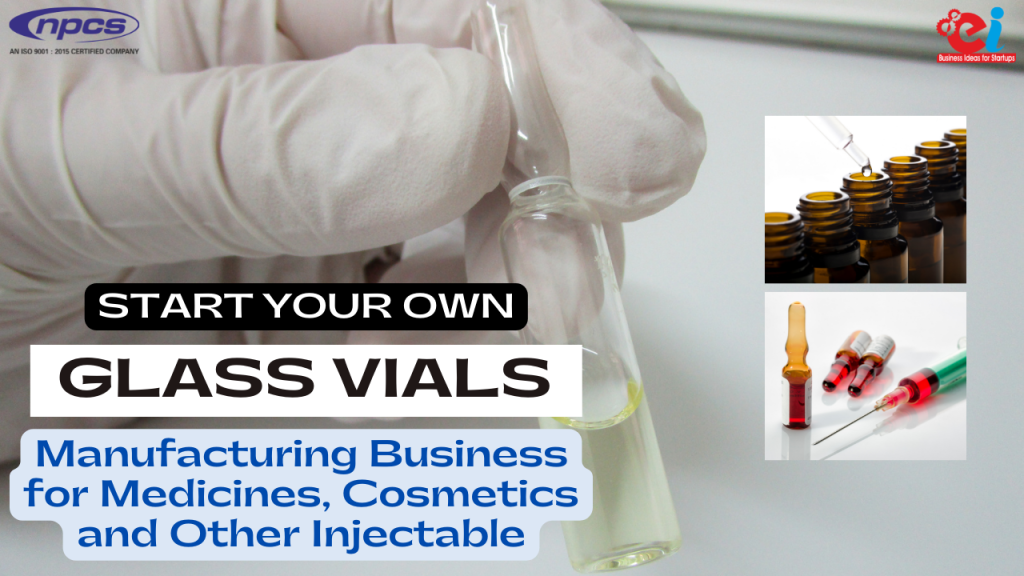
Introduction to the Glass Vials Industry In the rapidly growing pharmaceutical and cosmetic sectors, glass vials have emerged as indispensable packaging solutions. Their inert nature, resistance to contaminants, and exceptional sealing capabilities make them the preferred choice for companies seeking reliable, sterile, and aesthetically pleasing packaging. The glass vials business for cosmetics & medicines presents an attractive opportunity for entrepreneurs and manufacturers aiming to supply a critical product to a high-demand market. Why Glass Vials are Essential in Cosmetics and Pharmaceuticals Superior Chemical Stability One of the standout advantages of glass vials is their non-reactive composition. This ensures that neither active pharmaceutical ingredients (APIs) nor cosmetic formulations degrade or change when stored. Unlike plastic, glass vials offer unparalleled chemical stability, making them ideal for serums, injectable drugs, essential oils, and perfumed extracts. High-Quality Sealing and Sterility The airtight sealing of glass vials provides a secure barrier against environmental contaminants. This is crucial in the pharmaceutical sector, where sterility is non-negotiable. In cosmetics, maintaining product purity translates directly into consumer trust and brand loyalty. Sustainability and Reusability Glass vials align with the rising trend of eco-conscious packaging. Being 100% recyclable, they offer companies the ability to adopt sustainable practices while delivering premium packaging solutions. Many high-end cosmetic brands are switching to glass vials to meet sustainability goals and enhance their market appeal. Market Demand and Trends Booming Cosmetic Industry The global cosmetics industry is projected to reach $580 billion by 2030, with a strong focus on skincare and natural formulations. This surge directly impacts the demand for glass vials as consumers increasingly seek premium, transparent, and sustainable packaging for serums, ampoules, and oils. Expanding Pharmaceutical Sector The pharmaceutical industry, particularly injectables and biologics, has seen exponential growth. With the global push for vaccination and personalized medicine, glass vials have become central to safe drug delivery. The demand for type I borosilicate glass vials in this space is expected to grow by over 6% CAGR annually. Types of Glass Vials Used 1. Type I Borosilicate Glass Vials These are the highest quality vials used primarily in pharmaceutical packaging due to their superior chemical resistance and thermal stability. 2. Type II Treated Soda Lime Glass Vials Used in less reactive pharmaceutical applications, offering a cost-effective yet reliable solution. 3. Cosmetic Glass Vials These typically feature elegant finishes, colored glass, frosted textures, and dropper attachments to enhance brand visibility while preserving product integrity. Applications in the Cosmetics Industry Facial Serums and Skincare Treatments High-end facial serums often come in amber or clear glass vials, protecting active ingredients like Vitamin C or retinol from light degradation. These vials are also fitted with droppers or rollerballs for precise application. Essential Oils and Aromatherapy Blends For volatile and sensitive oils, glass vials ensure purity and longevity. Their airtight seals prevent evaporation, preserving aroma and effectiveness. Sample and Travel Sizes Miniature glass vials are perfect for sample kits, promotions, and travel packs. They enhance product perception and encourage trial without compromising on aesthetics or safety. Applications in the Pharmaceutical Industry Injectables and Vaccines Glass vials are indispensable in the storage and delivery of injectable drugs. With increased production of biologics and vaccines, the demand for sterile, tamper-proof glass vials has surged. Diagnostic and Clinical Testing Laboratories rely on glass vials for storing samples, reagents, and solutions. Their resistance to leaching and contamination makes them an industry standard. Ophthalmic and Inhalation Solutions Sterile vials play a critical role in delivering eye drops and inhalation medications, especially in unit-dose applications. Starting a Glass Vials Manufacturing or Supply Business 1. Market Research and Target Segments Begin by identifying which industry you wish to cater to — cosmetics, pharmaceuticals, or both. Understand their specific requirements, regulatory norms, and packaging needs. 2. Raw Material Sourcing Glass vial production requires high-purity silica sand, soda ash, and limestone. Partner with reliable suppliers for consistent material quality. For high-grade pharmaceutical vials, borosilicate glass is essential. 3. Machinery and Infrastructure Invest in automated forming and annealing machines to produce precision vials. Cleanrooms and sterile packaging environments are necessary for pharmaceutical-grade vial production. 4. Certification and Compliance Obtain certifications such as ISO 9001, ISO 15378, and GMP compliance. For pharmaceutical clients, US FDA and EU certifications may be needed. 5. Branding and Differentiation In the cosmetic segment, design plays a critical role. Offer custom shapes, screen printing, frosted finishes, and decorative caps to attract boutique and luxury brands. Distribution and Sales Strategy 1. Direct Supply to Brands and Laboratories Build partnerships with skincare brands, cosmetic manufacturers, pharma companies, and research institutions. Offer volume-based pricing and logistical support. 2. Online B2B Portals and Marketplaces Platforms like Alibaba, IndiaMART, TradeIndia, and ThomasNet are effective for reaching international clients. Ensure your product listings are SEO-optimized with keywords like “glass vials,” “pharmaceutical glass packaging,” and “cosmetic vial suppliers.” 3. Private Label Manufacturing Provide white-label solutions for emerging brands that seek cost-effective entry into the market without setting up their own manufacturing units. Advantages of Investing in the Glass Vials Business High demand across essential sectors Premium product margins Eco-friendly and future-proof packaging Scalable operations with long-term contracts Customization options that command premium pricing Challenges and Considerations Breakage risks during transport if not packed correctly Need for specialized equipment and trained labor Regulatory hurdles in pharma-grade packaging Price competition from plastic vial alternatives in low-end markets Conclusion: A Lucrative Market with Endless Opportunities With the convergence of sustainability, functionality, and aesthetic appeal, glass vials have become indispensable in both cosmetics and pharmaceutical packaging. Starting a glass vials business for cosmetics & medicines offers scalable profits and cross-industry demand. By investing in quality manufacturing, understanding client needs, and delivering innovative packaging solutions, businesses can secure long-term growth in this thriving industry. Visit the page Select and Choose the Right Business Startup for You for sorting out the questions arising in your mind before starting any business and know which start-up you can plan. We, at NPCS, endeavor to make business selection a simple and convenient step for any entrepreneur/startup. Our expert team, by
Fiberglass Doors Manufacturing Business
The construction and home improvement industry is constantly evolving, and with growing demand for durable, aesthetically pleasing, and energy-efficient doors, Fiberglass Doors Manufacturing has emerged as a lucrative business opportunity. These doors are becoming a preferred choice for homeowners and builders alike due to their strength, low maintenance, and long-lasting appeal. Starting a fiberglass doors manufacturing business today can be your gateway to tapping into the fast-growing market driven by innovation, sustainability, and modern design trends. Why Choose Fiberglass Doors Manufacturing as a Business? Fiberglass Doors Manufacturing is a promising business because fiberglass is a versatile material that offers the strength of steel and the aesthetic appeal of wood without their disadvantages. Unlike wood, fiberglass does not warp, crack, or rot. It is also resistant to dents and rust, unlike steel. These properties make fiberglass doors ideal for both residential and commercial use. Here are some compelling reasons to enter the fiberglass doors industry: Increasing Demand: With rising awareness of energy efficiency and eco-friendly building materials, fiberglass doors are in high demand globally. Low Maintenance Product: Consumers prefer products that do not require frequent maintenance, and fiberglass doors fit this requirement perfectly. Profit Margins: The manufacturing process is relatively cost-effective, especially at scale, leading to high-profit margins. Customization Options: These doors can be molded into a wide range of designs, textures, and finishes, allowing manufacturers to cater to a diverse market. Market Potential for Fiberglass Doors The global market for fiberglass doors has witnessed significant growth over the last decade and is projected to continue expanding. According to recent market studies, demand is driven by both new construction and the remodeling segment. Homeowners upgrading from wooden doors to more energy-efficient fiberglass options are a key part of this trend. Additionally, government incentives for green construction and energy-efficient products are pushing builders and developers toward fiberglass solutions. As a result, Fiberglass Doors Manufacturing is poised to become a staple in the modern building materials industry. Steps to Start a Fiberglass Doors Manufacturing Business 1. Market Research and Feasibility Study Before launching your business, conduct thorough research to understand local and global market trends, customer preferences, competitors, and pricing. Identify your target audience—homeowners, builders, contractors, or real estate developers. 2. Create a Business Plan A comprehensive business plan is vital. It should outline your: Business goals and mission Product range (entry doors, patio doors, custom designs, etc.) Marketing and sales strategy Financial projections and funding requirements Manufacturing setup and staffing plan 3. Legal Formalities and Licensing Register your business entity as per local laws—whether it’s a sole proprietorship, partnership, LLP, or private limited company. You’ll also need: GST registration Factory license Pollution control clearance (if applicable) BIS certification or IS standards adherence for doors 4. Setting Up the Manufacturing Unit This is the core aspect of your Fiberglass Doors Manufacturing business. Choose a location with easy access to raw materials and transportation facilities. The basic setup includes: Machinery and Equipment: You’ll need molds, cutting machines, hydraulic presses, spray booths, and curing ovens. Raw Materials: Resin, fiberglass mat, hardeners, pigments, core materials (like polyurethane foam), and hardware components. Production Space: Allocate sections for molding, assembly, finishing, storage, and quality control. 5. Hire Skilled Labor Hire trained technicians and skilled laborers who understand fiberglass molding and fabrication techniques. Also, employ quality control staff, supervisors, and administrative personnel. 6. Product Design and Prototyping Develop a few prototype models based on market demand—flush doors, paneled doors, textured finishes, and custom designs. Incorporate features like thermal insulation, noise reduction, and weather resistance. 7. Quality Assurance To maintain your reputation and ensure customer satisfaction, implement strict quality checks at every stage. Ensure that the final product complies with safety and durability standards. 8. Branding and Marketing Branding plays a major role in customer perception. Develop a strong brand identity, including a logo, packaging, and marketing materials. Focus on both B2B and B2C marketing strategies: Offline Marketing: Attend trade expos, build relationships with real estate developers and contractors. Online Marketing: Create a professional website, use SEO strategies for keywords like Fiberglass Doors Manufacturing, run paid ads, and leverage social media. 9. Distribution and Sales Channels Establish partnerships with retailers, wholesalers, and online marketplaces. Offer customization and bulk order discounts to attract large clients. Provide after-sales support to build trust and customer loyalty. 10. Continuous Innovation Stay updated with the latest technologies and design trends. Innovation in texture, color, locking systems, and smart features (like fingerprint locks) will keep your product ahead of the competition. Investment and ROI Starting a Fiberglass Doors Manufacturing unit requires an initial investment that covers machinery, raw materials, setup costs, manpower, and marketing. A small-scale unit can be started with an investment of INR 25–50 lakhs, while a medium-to-large unit may require INR 1 crore or more. With efficient operations, quality products, and good marketing, you can expect ROI within 1.5 to 2 years. Profit margins generally range between 15% to 30% depending on scale and client base. Common Challenges and Solutions High Initial Investment: Start small and expand gradually. Leasing machinery initially can reduce costs. Skilled Workforce Shortage: Offer training to semi-skilled workers and retain talent with incentives. Competition: Focus on product differentiation, quality, and customer service to stand out. Raw Material Price Fluctuations: Enter into long-term agreements with suppliers for stable pricing. Sustainability and Environmental Benefits Fiberglass doors offer sustainability benefits, including thermal insulation which reduces energy consumption. Moreover, modern manufacturing processes are becoming more environmentally friendly by using low-VOC resins and recyclable materials. Emphasizing this in your marketing can attract environmentally conscious customers. Conclusion Fiberglass Doors Manufacturing is a future-ready business with immense potential. As construction trends move towards durability, energy efficiency, and modern aesthetics, fiberglass doors are fast becoming the industry standard. With the right investment, planning, and commitment to quality, you can establish a thriving business that caters to both domestic and international markets. Whether you’re an entrepreneur entering the manufacturing space or a business owner looking to diversify, now is the ideal time to invest in this high-demand
Optical Fibre Manufacturing Industry.
In an era defined by digital connectivity and data transmission, the optical fibre manufacturing industry has emerged as a cornerstone of global telecommunications and data infrastructure. From internet backbones and submarine cables to medical instruments and industrial applications, optical fibre plays a crucial role in enabling high-speed, high-capacity communications. Current Landscape of Optical Fibre Manufacturing Industry The optical fibre manufacturing sector has witnessed robust growth, driven by the rapid expansion of internet services, the proliferation of smart devices, and the increasing demand for faster and more reliable communication networks. As 5G networks roll out globally and cloud computing continues its upward trajectory, the demand for optical fibre is expected to escalate significantly in the coming years. What is Optical Fibre and Why is it Vital? Optical fibre is a thin, flexible strand of pure glass or plastic that transmits light signals over long distances. These fibres are bundled into cables and are capable of transmitting large volumes of data at the speed of light, with minimal loss. This capability makes them indispensable in telecommunications, where high-speed data transmission is paramount. Key advantages of optical fibres include: High bandwidth and data-carrying capacity Low signal attenuation and interference Lightweight and space-efficient cable structure Enhanced security for data transmission Overview of the Manufacturing Process Optical fibre manufacturing involves a highly technical and precise process to ensure signal clarity, strength, and durability. The process can be divided into the following major stages: 1. Preform Fabrication The manufacturing begins with the creation of a glass preform. This cylindrical glass rod serves as the template for drawing the fibre. There are several methods for preform fabrication, including: Modified Chemical Vapor Deposition (MCVD) Outside Vapor Deposition (OVD) Vapor Axial Deposition (VAD) In each method, gaseous chemicals like silicon tetrachloride (SiCl?) and germanium tetrachloride (GeCl?) react in the presence of oxygen and heat to deposit glass layers, forming the core and cladding of the fibre. 2. Fibre Drawing Once the preform is ready, it is heated in a furnace to temperatures exceeding 2000°C. The molten end of the preform is drawn downwards into a thin fibre strand. As it cools, it retains the precise core-cladding structure of the original preform. The drawing process is controlled with extreme precision to ensure uniform diameter—typically around 125 microns. 3. Coating and Curing The freshly drawn fibre is coated with one or more protective polymer layers to guard against moisture, physical damage, and microbending. These coatings are cured using ultraviolet (UV) light to ensure durability without compromising flexibility. 4. Testing and Quality Assurance Every metre of fibre undergoes rigorous quality checks, including: Attenuation testing Tensile strength evaluation Microbending and macrobending loss assessments Geometrical measurements for diameter and concentricity Authorities approve only fibres that meet stringent international standards like ITU-T G.652 or G.657 for commercial use. 5. Cabling and Packaging After testing, optical fibres are bundled into cables, which may include additional protective layers, strength members, and moisture barriers depending on their intended application—whether underground, aerial, or submarine installations. Key Players and Manufacturing Hubs Leading companies in the global optical fibre manufacturing industry include: Corning Inc. (USA) Prysmian Group (Italy) Fujikura Ltd. (Japan) Sumitomo Electric Industries (Japan) Sterlite Technologies (India) Major manufacturing hubs have emerged in countries such as China, India, Japan, the USA, and South Korea, leveraging their domestic demand and export potential. Market Trends and Innovations The optical fibre manufacturing landscape is rapidly evolving. Some of the major trends shaping the future of the industry include: 1. Shift Towards Bend-Insensitive Fibres With increased use in confined indoor environments and FTTx deployments, bend-insensitive fibres (e.g., ITU-T G.657) are gaining traction. These fibres maintain signal strength even when bent at tight angles. 2. Green Manufacturing Practices Environmental regulations and sustainability goals have prompted manufacturers to reduce carbon footprints by adopting: Low-emission furnaces Efficient gas recycling systems Water conservation techniques 3. High Fibre Count Cables To meet the rising bandwidth demand, manufacturers are developing ultra-high fibre count cables—sometimes exceeding 6,000 fibres per cable—for hyperscale data centres and telecom backbones. 4. Integration with 5G and IoT Networks The deployment of 5G networks and expansion of IoT devices necessitate a robust optical fibre backbone to handle the sheer volume of data traffic. This integration is creating unprecedented demand for high-performance, low-latency optical networks. Challenges in the Industry Despite its promising growth trajectory, the optical fibre manufacturing industry faces several challenges: Volatility in raw material costs, especially for specialty gases and rare earth elements Capital-intensive setup, requiring substantial investment in machinery and R&D Technical skill shortage in some regions, affecting the quality and pace of production Geopolitical and trade tensions impacting global supply chains Overcoming these challenges requires continuous innovation, upskilling of the workforce, and strategic partnerships across the value chain. Opportunities for Investment and Expansion As nations invest in smart cities, digital infrastructure, and broadband-for-all initiatives, the market for optical fibre continues to expand. Some of the most promising opportunities include: Emerging markets in Africa and Southeast Asia, where internet penetration is still growing 5G-enabled industrial automation, requiring high-capacity, ultra-low latency fibre networks Cloud and data centre connectivity, which demands redundant, high-speed optical links Healthcare and military-grade fibre applications, where data integrity and speed are critical Future Outlook of Optical Fibre Manufacturing The future of optical fibre manufacturing is bright, with the global market projected to exceed USD 20 billion by 2030. As digital transformation deepens across sectors, fibre optics will continue to form the spine of modern communication. Manufacturers must focus on: Agile production systems Intelligent process automation Customized solutions for diverse applications Innovation, cost-efficiency, and adaptability will be the key pillars driving competitiveness and growth in the industry. Contact Us
Production of Glass Fiber
The production of glass fiber is a crucial industrial process that serves as the backbone for a variety of high-strength, lightweight, and corrosion-resistant materials. Glass fiber, also known as fiberglass, is a versatile material used extensively in construction, automotive, aerospace, marine, wind energy, and electronics industries. The continuous rise in demand for durable and eco-friendly alternatives to metals and plastics has made the production of glass fiber one of the fastest-growing manufacturing sectors globally. Entrepreneurs and manufacturers alike are tapping into this opportunity for innovation, profitability, and market expansion. What is Glass Fiber? Glass fiber is made from fine strands of glass drawn into thin filaments. These fibers are then bundled together to create yarns, mats, or fabrics that can be molded into a wide range of products. The production of glass fiber relies on melting raw materials like silica sand, limestone, and soda ash at high temperatures and extruding them into ultra-thin threads. Due to its unique properties—such as high tensile strength, resistance to heat and corrosion, low density, and thermal insulation—glass fiber is ideal for structural and non-structural applications. The ability to be reinforced with resins makes it invaluable in composite materials. Key Raw Materials for Glass Fiber The production of glass fiber involves a combination of naturally occurring minerals and chemical additives. Common raw materials include: Silica Sand (SiO?) – Primary raw material, responsible for strength and structure Limestone (CaCO?) – Acts as a fluxing agent and adds calcium oxide Soda Ash (Na?CO?) – Reduces the melting point of silica Alumina (Al?O?) – Enhances durability and chemical resistance Boron Oxide (B?O?) – Improves thermal and electrical insulation properties Magnesia and Feldspar – Sometimes added to modify properties and reduce costs Precise formulation of these ingredients ensures quality, stability, and consistency in the finished product. Glass Fiber Production Process The production of glass fiber typically follows these major steps: Batch Preparation and MeltingThe raw materials are weighed, mixed, and fed into a furnace. The furnace heats the mixture to around 1,400–1,600°C, forming a molten glass. Fiber FormationThe molten glass flows through platinum bushings or spinnerets, containing hundreds of tiny holes. As the glass emerges, it’s rapidly cooled and drawn into filaments, typically between 5 and 25 microns in diameter. Sizing ApplicationA chemical sizing (a coating) is applied to the fibers to protect them from abrasion and to improve bonding with resins in composites. The sizing also affects the compatibility with end-use applications, such as thermosets or thermoplastics. Winding and CollectionThe glass fibers are wound onto bobbins for textile applications or chopped into specific lengths for use in reinforced plastics. For mats and fabrics, fibers are layered and stitched or bonded into specific forms. Post-ProcessingDepending on the application, the glass fibers may undergo additional treatments such as drying, baking, texturizing, or weaving into fabrics. Types of Glass Fiber Products The production of glass fiber leads to various product forms, each suited to different industrial needs: Continuous Filament – Used for textile-grade yarns, fabrics, and rovings Chopped Strand – Used in plastics, concrete, and paints Glass Wool – Used for insulation and soundproofing Woven Roving – Reinforcement in composite construction Mats and Veils – Used in roofing, tanks, and waterproofing Each product category has its own demand based on sectors like construction, marine, wind energy, and more. Applications of Glass Fiber One of the main reasons the production of glass fiber is so valuable is due to its wide range of applications: Construction: Roofing, wall panels, rebar, insulation Automotive: Bumpers, hoods, body panels for weight reduction Aerospace: Lightweight components with high strength-to-weight ratio Wind Energy: Turbine blades due to fatigue resistance and light weight Marine: Boat hulls and decks because of corrosion resistance Electrical: Circuit boards and insulators Consumer Goods: Luggage, sports gear, furniture Its role in reducing weight, increasing energy efficiency, and enhancing durability makes it indispensable in modern manufacturing. Market Demand and Growth Potential The global market for glass fiber is expanding at a steady pace, driven by demand for lightweight composites and reinforced materials. The Asia-Pacific region, especially China and India, is a major hub for the production of glass fiber, both in terms of consumption and manufacturing facilities. Growth factors include: Rising investments in infrastructure and construction Increasing use of renewable energy technologies Automotive industry’s shift to lightweight, fuel-efficient designs Demand from defense and aerospace sectors Analysts project that the global glass fiber market will exceed USD 15 billion by 2030, indicating a healthy CAGR in the coming years. Setting Up a Glass Fiber Production Unit Starting a glass fiber production plant requires significant planning and capital investment. Key steps include: Land and Infrastructure: Setting up a temperature-controlled facility with safety compliance Machinery and Equipment: Glass melting furnaces, bushings, winding systems, fiber sizing units, pollution control devices Raw Material Supply Chain: Reliable sourcing of silica, soda ash, limestone, etc. Technical Expertise: Skilled labor for furnace operation, fiber drawing, and quality control Certifications: Compliance with BIS, ISO, and environmental standards Depending on the scale, initial capital investment may range from ?5 crore to ?20 crore or more. Challenges in the Industry Although the production of glass fiber is highly profitable, it comes with a few challenges: High energy consumption due to melting processes Stringent environmental regulations on emissions and waste handling Technological complexity of maintaining uniform fiber diameter Market competition from carbon fiber and other composites Volatility in raw material prices, especially boron and soda ash However, innovation in energy-efficient melting and recycling technologies is helping overcome these obstacles. Sustainability and Environmental Impact Glass fiber is considered an environmentally preferable material because: It is non-toxic and non-combustible Offers long product life and corrosion resistance Can be recycle in some forms (though not as easily as metals) Reduces carbon footprint in vehicles and buildings by lowering weight and improving insulation Sustainable practices in the production of glass fiber—like using renewable electricity and waste heat recovery—can further reduce its environmental impact. Conclusion The production of glass fiber is a high-demand, high-performance industrial process that contributes significantly to modern construction,
Profitable Business Ideas & Opportunities in Tempering and Toughening of Flat Glass
In the world of modern construction and design, tempered glass has become a crucial component of safety and aesthetics. With a rise in urban infrastructure, residential and commercial buildings, and architectural projects, the demand for strong, heat-resistant, and shatter-proof glass is at an all-time high. Entrepreneurs and manufacturers are increasingly showing interest in entering the flat glass tempering industry due to its profitability, scalability, and potential for growth. Why You Should Consider a Flat Glass Tempering Business Tempered glass, also known as toughened glass, is widely used in windows, doors, facades, shower enclosures, tabletops, shelves, and even vehicle windows. What sets tempered glass apart is its strength—it is four to five times stronger than standard annealed glass. Additionally, when broken, it crumbles into small granular chunks instead of sharp shards, ensuring safety. The flat glass tempering process involves heating glass to over 600°C and then rapidly cooling it with high-pressure air jets. This thermal process changes the internal structure of the glass, increasing its strength and thermal resistance. With construction norms becoming more stringent regarding safety, the demand for tempered glass is growing steadily. Starting a flat glass tempering business can be a highly rewarding venture if approached strategically. Market Demand and Growth The global glass tempering market has seen consistent growth, driven by construction booms, interior design trends, and automotive applications. According to industry research, the tempered glass market is projected to reach several billion dollars in valuation within the next decade. The biggest demand is observed in emerging economies where infrastructure and housing development are rapidly accelerating. With green building initiatives and a focus on sustainable materials, tempered glass is being used more frequently in energy-efficient buildings due to its ability to accommodate double glazing and insulation requirements. This market is also expanding with the increasing need for customized glass panels and designs, giving niche entrepreneurs an edge. Setup Requirements for a Flat Glass Tempering Unit To start a flat glass tempering unit, several key components are required: Factory Space: A spacious industrial area is necessary to accommodate the machinery, raw materials, storage, and finished goods. Typically, a minimum of 5,000–10,000 square feet is ideal. Machinery: The primary equipment includes: Glass tempering furnace Glass loading and unloading tables Cutting and edge polishing machines Washing and drying units Inspection and packaging stations Raw Materials: The base material is annealed glass sheets, which are sourced from float glass manufacturers. Additional consumables include lubricants, cooling agents, and protective films. Manpower: Skilled labor is essential for operating and maintaining high-temperature furnaces and precision cutting tools. You’ll need technicians, supervisors, loaders, and quality control personnel. Licensing and Compliance: You must obtain industry licenses, pollution control certifications, and comply with factory safety standards. ISO certifications can enhance your business credibility and attract more clients. Investment and Profit Margins Starting a flat glass tempering business requires a moderate to high level of investment, depending on scale and automation. A semi-automatic unit may need ?1 to ?2 crores, while a fully automated, large-scale unit could demand upwards of ?5 crores. However, the return on investment (ROI) can be high. Tempered glass has a significantly higher price point than regular glass, and margins are attractive—especially with bulk or commercial orders. By offering value-added services like customized cuts, printed glass, or coatings, businesses can enhance their profitability. Bulk clients such as architects, builders, interior designers, and furniture manufacturers offer long-term contracts that ensure steady cash flow. In some cases, profit margins can reach 25–30% with the right market positioning and operational efficiency. Challenges in the Flat Glass Tempering Industry Like any manufacturing business, the flat glass tempering industry comes with its own set of challenges: High Energy Consumption: Tempering furnaces are energy-intensive, which can lead to high operational costs. Investing in energy-efficient machinery or exploring renewable energy can mitigate this issue. Quality Control: Substandard tempering can lead to weak glass or improper breaking patterns. Quality assurance protocols and trained staff are vital. Logistics: Transporting large glass panels without damage requires specialized packaging and vehicles, which can increase distribution costs. Market Competition: The industry is competitive. Building strong relationships with clients and maintaining high product quality are essential to standing out. Marketing and Sales Strategy A solid marketing strategy is key to the success of your flat glass tempering business. Focus on the following: Online Presence: Build a website showcasing your capabilities, certifications, and past projects. Use SEO to target construction firms, interior designers, and architects looking for reliable glass suppliers. B2B Networking: Attend trade fairs, exhibitions, and industry seminars to connect with potential clients and suppliers. Partnerships: Collaborate with real estate developers, construction companies, and furniture brands to secure long-term contracts. Branding: Emphasize quality, safety, and customization in your brand messaging to appeal to commercial clients. Offering consultation services, design inputs, or timely delivery incentives can make your business more attractive to clients in a competitive market. Sustainability and Innovation Modern flat glass tempering businesses must align with sustainability goals. Eco-friendly practices not only reduce costs but also enhance brand image. Some suggestions include: Using waste heat recovery systems to reduce energy usage. Recycling broken glass (cullet) for reuse in new batches. Installing solar panels to offset electricity costs. Offering Low-E or coated glass that improves insulation. Innovation is another growth driver. Smart glass, anti-glare panels, and switchable privacy glass are gaining popularity. Businesses that stay ahead of the trend and offer innovative solutions will have a competitive edge. Future Prospects The flat glass tempering industry is expected to witness exponential growth in the coming years, thanks to smart cities, architectural modernization, and global focus on green infrastructure. As more buildings adopt glass facades, partition walls, and energy-efficient structures, tempered glass will remain a core material of choice. Emerging technologies like IoT integration in smart buildings and the increased use of solar panels (which use tempered glass) will also propel the industry forward. Export opportunities are abundant, especially in Middle Eastern, African, and Southeast Asian markets where construction is booming. Conclusion Starting a flat glass tempering business
Biodegradable and Bio-Plastics Products Manufacturing Business.
As global awareness of environmental issues grows, traditional plastic products are being steadily replaced by eco-friendly alternatives. One such sustainable substitute is bioplastic, a biodegradable material derived from renewable sources like corn starch, sugarcane, or potato starch. Unlike conventional plastics, which take centuries to decompose, bioplastics break down naturally within a few months, minimizing pollution and harm to wildlife. With increasing demand across industries such as food packaging, agriculture, retail, and hospitality, launching a bioplastic manufacturing business—focusing on products like plates, glasses, and bags—presents a lucrative and future-forward opportunity. Why Bioplastic Manufacturing is the Future The rise of climate change concerns, single-use plastic bans, and the drive toward circular economies have made bioplastic manufacturing a high-potential sector. In India and worldwide, government policies are promoting the shift to biodegradable products. For example, India’s Plastic Waste Management Rules and extended producer responsibility (EPR) regulations are creating strong demand for eco-alternatives. Restaurants, event organizers, grocery chains, and e-commerce players are now actively seeking biodegradable tableware and packaging solutions. Bioplastics can be produced from natural polymers like polylactic acid (PLA), polyhydroxyalkanoates (PHA), and starch blends. These materials are not only renewable but also compostable under industrial or home composting conditions. Plates and glasses made from bioplastics are sturdy and attractive, ideal for single-use scenarios. Bioplastic bags offer strength, flexibility, and environmental safety, especially as many states ban polyethylene bags. Key Benefits of Bioplastic Manufacturing Sustainability – Unlike fossil fuel-based plastics, bioplastics come from plants and emit less carbon during production and decomposition. Biodegradability – Bioplastics break down naturally, reducing landfill load and ocean pollution. Market Demand – Rising consumer awareness and regulation enforcement make biodegradable products increasingly preferred. Innovation Scope – Bioplastic blends can be tailored for strength, flexibility, heat resistance, or clarity, depending on product requirements. Bioplastic Manufacturing Process To begin bioplastic manufacturing, especially for plates, glasses, and bags, entrepreneurs must understand the fundamental production process. It broadly includes: 1. Raw Material Selection Choose feedstock like corn starch, sugarcane pulp (bagasse), or tapioca. These are processed to extract starch or sugar that is converted into biopolymers. 2. Fermentation & Polymerization Microorganisms ferment the sugars to produce lactic acid (for PLA) or other monomers. These monomers are then polymerized to form the desired bioplastic resin. 3. Compounding The bioplastic resin is mixed with plasticizers, natural fibers, or additives for durability, flexibility, or color. 4. Product Molding or Extrusion Plates and Glasses: Thermoforming or injection molding is used to shape the material into tableware. Bags: Film extrusion followed by cutting and sealing creates bioplastic carry bags or garbage liners. 5. Quality Testing Tests are conducted for tensile strength, biodegradability rate, water resistance, and food-grade safety compliance. 6. Packaging and Distribution Finished products are packed in eco-friendly materials and sent to distributors, wholesalers, retailers, or direct customers. Machinery & Equipment Required Setting up a bioplastic manufacturing unit demands specialized equipment: Biopolymer reactor or fermenter Extruder machine Thermoforming/injection molding machines (for plates and glasses) Blown film extrusion unit (for bags) Bag cutting & sealing machine Dryers and mixers Quality control testing equipment Small-scale units can start with semi-automatic setups, while large-scale production may require a fully automated line. Machinery costs can range from ?25 lakhs to ?2 crores, depending on scale and automation level. Investment & Cost Breakdown Starting a bioplastic manufacturing business in India requires moderate to high capital investment. Here’s an estimated breakdown: Machinery & Setup: ?50 lakhs to ?1.5 crores Raw Materials (monthly): ?5 lakhs to ?20 lakhs Manpower & Operations: ?1 lakh to ?5 lakhs/month Utilities & Rent: ?50,000 to ?2 lakhs/month Licenses & Certifications: ?1 lakh (includes ISO, BIS, food-grade certification, etc.) Overall, the startup cost for a mid-scale bioplastic manufacturing unit ranges between ?75 lakhs to ?2.5 crores. Legal Compliance & Certification For a bioplastic manufacturing business in India, key compliances include: Udyam/MSME Registration GST Registration Pollution Control Board (PCB) Clearance FSSAI License (if used for food packaging) Compostability Certification – Central Pollution Control Board (CPCB) mandates certification from CIPET or other authorized labs for products marketed as compostable. Having these certifications boosts customer confidence and ensures smooth B2B partnerships, especially with export clients or e-commerce giants. Target Market & Customer Segments Bioplastic products serve a wide range of industries and customer groups: Event Management Firms – Require disposable plates, cups, and glasses. Retailers and Grocers – Seek biodegradable carry bags. Food Delivery Chains – Use eco-friendly packaging and containers. Export Market – Bioplastics are in demand in Europe, Australia, and North America. Government & Institutions – For eco-friendly initiatives and tenders. B2C opportunities also exist through e-commerce platforms, eco-stores, and supermarkets. Marketing Strategy for Bioplastic Products To promote your bioplastic manufacturing business, a strong marketing strategy is essential: Eco-Friendly Branding – Highlight biodegradability, renewable sourcing, and sustainability. B2B Outreach – Target hotels, cafes, caterers, and NGOs promoting plastic alternatives. Government Contracts – Bid for tenders related to Swachh Bharat or state-level sustainability drives. Social Media & SEO – Leverage Instagram, LinkedIn, and YouTube to showcase product benefits, and run SEO-optimized blogs on green living. Product Certification Display – Use “100% Compostable,” “Food Safe,” and other marks visibly on packaging. Participation in expos, trade fairs, and industry events can also help build connections and customer trust. Challenges in Bioplastic Manufacturing While promising, bioplastic manufacturing also faces some operational and market challenges: High Cost – Bioplastics can be 2–3x costlier than traditional plastic. Raw Material Availability – Seasonal crops like corn or sugarcane can affect sourcing. Consumer Awareness – Many end-users are unaware of composting or proper disposal. Certification Process – Achieving compostable certification can be time-consuming and expensive. Overcoming these requires efficient supply chains, pricing strategies, customer education, and sustainable packaging innovations. Future Scope and Expansion Ideas The bioplastics market in India is projected to grow at over 20% CAGR over the next 5 years. Entrepreneurs can expand by: Introducing molded food containers, straws, or takeaway boxes Developing export-quality packaging films Collaborating with FMCG companies for sustainable packaging Licensing composting and recycling technologies As the Indian market matures and