
How to Set Up a Profitable Fly Ash Bricks Plant
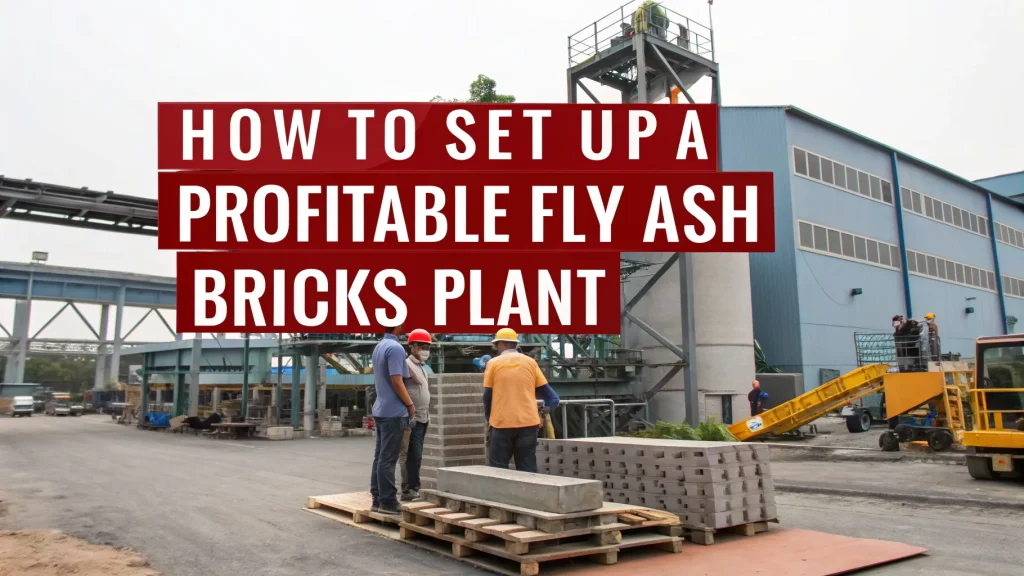
In a globalized world that is more focused on sustainable development, the fly ash bricks plant has become a leading example of green construction. Originating from thermal power plants that are coal-fired products, these bricks do not just reduce the environmental impact of the disposal of fly ash, but also provide greater quality, consistency, and energy efficiency when compared to clay-based units. For entrepreneurs–whether seasoned in the pharmaceutical sector or new to manufacturing–establishing a fly ash bricks plant represents an opportunity to capitalize on a booming market while advancing eco-friendly practices. This article guides you step-by-step through the various aspects of creating profitable operations, beginning with understanding market dynamics and making sure materials are secured, to mastering the process of production as well as ensuring compliance with regulations and preparing your product for longevity. The Business Case for Fly Ash Bricks Fly ash bricks transform industrial waste into an extremely valuable construction material. In contrast to kiln-fired clay bricks their production is energy-efficient and requires little because curing takes place at room temperature. This results in a brick that exceeds or matches the standards of conventional the strength and durability of its compressive properties while decreasing carbon emissions and conserving fertile topsoil. Additionally, their weight is lighter, which reduces transport costs and speeds up the masonry process, which can result in cost savings throughout all stages of the production chain. Pharma-focused entrepreneurs will see similarities between their quality control frameworks as well as the exact management that fly-ash brick manufacturing requires. Laboratory protocols used to test active pharmaceutical ingredients can be repurposed for rigorous material analysis–determining optimal particle sizes, moisture content, and binding characteristics that influence brick performance. This expertise in technology becomes an edge that allows a new player to ensure quality and consistency that will appeal to the largest construction companies and green builders, too. Related: How to Set Up a Profitable Fly Ash Bricks Plant Market Dynamics and Forecast In the coming decade, the market for fly ash bricks is set to grow rapidly due to global urbanization and increased regulation to promote sustainable construction. In India, the fusion of incentives from the government, green building initiatives, and the constant demand for affordable housing is the basis of the forecast Compound Annual Growth Rate (CAGR) of about 12.5 percent between 2025 and 2030. Key infrastructure projects–ranging from metro rail extensions to smart-city developments–mandate the use of eco-friendly building materials, bolstering domestic consumption. Internationally, markets across Southeast Asia, the Middle East as well as Africa are also taking on Fly ash-based bricks. Rapid growth of urban areas in these regions leads to an equal increase in demand globally, with the market predicted to reach 7 billion dollars in 2030, up from USD 3.8 billion by 2024. Competition will be a mix of established brick makers that are shifting towards fly ash blends as well as new small-scale players, making distinctions in the quality of service, product, and positioning of the brand. Raw Material Strategy The core of any efficient fly ash brick plant is a strong process for obtaining raw materials. Fly ash must be procured from thermal power stations which operate within acceptable transport distances – ideally between 50 and 80 kilometers to minimize the logistics cost. The establishment of multi-plant supply agreements is essential to reduce the risk of the varying composition of ash. Consistency in silica and Alumina content, in addition to lower levels of carbon that have not been burned, is the foundation for a reliable brick’s strength and consistency when setting times. Other ingredients like lime and cement act as binding agents, thereby activating the pozzolanic qualities of fly ash, resulting in stabilized calcium silicate and hydrated hydrates. Sand–often required in modest proportions–improves workability and reduces shrinkage, while micro-quantities of gypsum enhance early-age strength development. Monitoring the moisture levels and particle size distribution and chemical impurities in real-time makes sure that every batch meets strict quality standards which allows production to continue without a worry about output that is not in line with specifications. Plant Layout and Workflow Planning a plant layout with seamless material flow and minimal handling improves production efficiency. The pressing zone has to be located centrally and have enough space to accommodate both automated and manual mold-changeover processes. Workers enclose the curing yards with nearby ventilation. They run misting systems and steam?injection rigs to keep humidity at or above 95%, then cure the bricks for 10 to 14 days, depending on conditions. By placing a quality?control lab next to the curing zone, technicians can immediately perform compressive?strength, water?absorption, and dimensional tests and correct any deviations from Indian Standard IS:12894 before proceeding with large?scale delivery. Forklifts or automated vehicles (AGVs) control the stacking and loading process, which ensures speedy turnaround of orders to construction sites or distributors. A careful zoning of raw materials arrival production curing, testing and dispatches not only minimizes cross-contamination, but also reduces the distance that materials travel within the plant, which reduces overall handling costs as well as the possibility of injury. Related: The Complete Book on Cement & Concrete Products Manufacturing Manufacturing Process The production of top-quality fly ash bricks takes place by a series of interlinked processes: Material Batching The accuracy of weighing is crucial. Batching systems equipped with digital load sensors add fly cement, sand, and other additives in exact proportions. Monitoring in real-time of these inputs feeds into a central manufacturing Execution System (MES), which alerts the operator to any deviations that are outside of the tolerances. High-Intensity Mixing After being batched, the materials are placed in the high-shear mixing chamber in which blades or paddles distribute the powders equally. The process can last from between three and five minutes triggering the initial hydration reaction and creating a moldable mass. The integrated moisture sensors control the amount of water added, preventing overwatering or underwatering, which could cause damage to brick’s integrity. Compression Molding The mix is transported through hydraulic presses. Modern presses, with PLC controls
Is HPL Board Manufacturing Profitable?
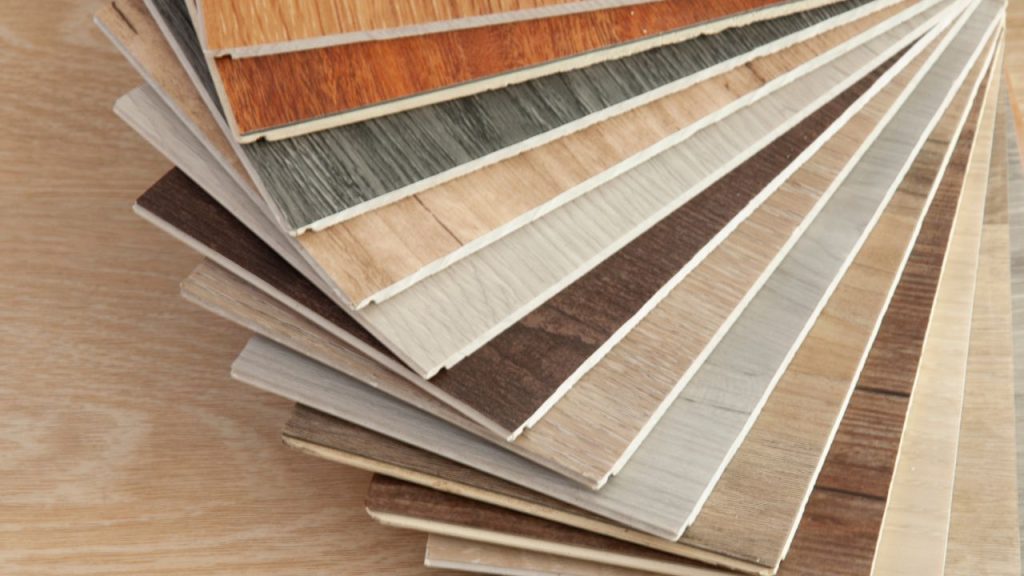
The manufacturing sector offers significant opportunities for startups and entrepreneurs looking to establish themselves in a growing market. A particularly promising area is the manufacturing of High-Pressure Laminate (HPL) boards, which are becoming increasingly sought after due to their wide range of applications and escalating demand. This article delves into the economic prospects of HPL board manufacturing and underscores its potential for new business initiatives. HPL boards are prized for their robustness, moisture and chemical resistance, and aesthetic adaptability, making them suitable for various uses across furniture, interior design, and construction industries. With the global population on the rise and the corresponding expansion of the real estate and interior design markets, the demand for HPL boards is expected to surge. Particularly within the construction industry, HPL boards serve critical functions in cladding, paneling, and facades, valued for their durability and ability to withstand diverse weather conditions. Additionally, the increasing preference for modular furniture and tailored home interiors further boosts the market demand. The HPL board market offers a competitive landscape that presents both challenges and opportunities. Established players dominate certain segments, but there are numerous niche opportunities for new entrants. Startups can carve out their space by focusing on innovation, such as offering eco-friendly or customized HPL boards tailored to specific customer needs. Additionally, leveraging cutting-edge technology and automation in the manufacturing process can yield significant cost savings, enhancing profitability. For instance, optimizing raw material use and minimizing waste through efficient production processes can lead to higher profit margins. The profit margins in HPL board manufacturing are favorable, thanks to the relatively low cost of raw materials like paper, resins, and adhesives compared to the product’s selling price. The scalability of the business model further contributes to profitability. Once established, an HPL manufacturing unit can expand its production capacity, diversify product lines, or explore new markets with relative ease. At Niir Project Consultancy Services (NPCS), we are experts in guiding clients through the process of establishing manufacturing businesses, such as High-Pressure Laminate (HPL) board manufacturing. Our offerings include detailed project reports and tailored business plans designed to meet your specific requirements. We provide extensive market research reports that enable you to navigate the competitive environment, understand consumer behavior, and identify opportunities for expansion. Our team consists of seasoned Technical Consultants, Engineers, Economists, and Technologists, all committed to providing exceptional services to ensure your business succeeds. We take great pride in our collaborative approach, striving to surpass our clients’ expectations in a dynamic market. Visit this Page for More Information: Start a Business in Construction Industry To maximize profitability in HPL board manufacturing, startups and entrepreneurs must focus on strategic marketing and branding. Establishing a strong brand identity can differentiate your products from competitors, attract customers, and foster loyalty. Here are some key strategies to consider: Sustainability is an increasingly important factor in consumer decision-making. By incorporating sustainable practices into your manufacturing processes, you can appeal to environmentally conscious customers and contribute positively to society. Here are some ways to achieve this: Related Feasibility Study Reports: Construction & Building Materials Projects To ensure long-term profitability and growth in HPL board manufacturing, startups and entrepreneurs should consider expanding into new markets. Here’s how to navigate this process effectively: Read our Books Here: Cement, Asbestos, Ceramics, Bricks, Limestone And Construction Materials Manufacturing Technology Innovation is key to maintaining a competitive edge in HPL board manufacturing. Continuous research and development (R&D) can lead to new products, processes, and technologies that enhance profitability: HPL board manufacturing offers a profitable and sustainable venture for startups and entrepreneurs. By focusing on market expansion, innovation, and strategic planning, you can build a successful business that thrives in this competitive industry. Niir Project Consultancy Services (NPCS) is dedicated to facilitating your success. We offer a full suite of services, such as detailed project reports, business planning, market analysis, and technical advice, to ensure you have all the necessary resources to start and expand your HPL manufacturing business. Let’s partner together to create a thriving and prosperous future. Contact Us
Start A Business Today! Mix Plaster, Block Jointer, Tile Adhesive And M 20 Concrete (Micro Concrete) |Are You Ready To Start A Business? Launch now Mix Plaster, Block Jointer, Tile Adhesive and M 20 Concrete (Micro Concrete) Manufacturing Business
Materials frequently used in the building industry include mix plaster, block jointer, tile adhesive, and M 20 Concrete (Micro Concrete), which has a number of uses. Unlike Mix Plaster, which is applied as a base layer on walls or ceilings before painting or decorating, Block Jointer is used to securely bond masonry blocks. Tile adhesive, used alongside M-20 Concrete (Micro Concrete)—a high-strength concrete mix for repairing cracks and building durable structures—helps attach tiles to walls, floors, and other surfaces. In residential, commercial, and industrial contexts, you can use Mix Plaster, Block Jointer, Tile Adhesive, and M 20 Concrete (Micro Concrete) for various applications. Along with levelling floors and walls, you can apply mix plaster to prepare walls for painting or decorative treatments. Block Jointer works best for joining masonry blocks, while Tile Adhesive fastens tiles to both indoor and outdoor surfaces. The last material is M 20 Concrete (Micro Concrete), which is excellent for filling cracks and offering a sturdy surface for heavy loads. The construction industry needs a number of essential components, such as mix plaster, block jointer, tile glue, and M-20 concrete (micro concrete). A few stages in the manufacturing process must be rigorously followed in order to create the highest quality product. Prior to launching a business producing Mix Plaster, Block Jointer, Tile Adhesive, and M 20 Concrete, ascertain the raw materials required for each product (Micro Concrete). The most common raw materials used to make mix plaster are cement, sand, water, and additives like lime or gypsum. Block jointer typically has three ingredients: sand, water, and portland cement. Tile adhesive and M 20 concrete require cement, sand, gravel, and water (micro concrete). The next step is to blend the raw materials in the correct proportions. For mix plaster and block jointer, the proper cement to sand ratio is 1:6, however for tile adhesive and M-20 concrete, it is 1:3. (Micro concrete). It’s crucial to achieve the ideal ratios for the greatest product. As soon as the raw ingredients are ready, a mixing machine should be fed with them. This machine thoroughly mixes the components to create the final product. The length of time and speed of mixing will vary depending on the type of product being produced. After the mixing process is finished, the products can be packaged for sale. Starting a business in the construction industry may be an incredibly rewarding and fruitful endeavour. Creating a business with a focus on producing products like Mix Plaster, Block Jointer, Tile Adhesive, and M 20 Concrete (Micro Concrete) might be quite lucrative. Creating a company that sells M 20 Concrete (Micro Concrete), tile adhesive, mix plaster, and block jointer has a number of advantages. High Demand: Because these materials are used in the building industry, they are always in high demand, therefore you shouldn’t have any trouble selling your products. Which has made it more straightforward than ever. By starting a business that produces M 20 Concrete (Micro Concrete), Tile Adhesive, Mix Plaster, Block Jointer, and Block Jointer, you can gain all of the benefits. If you’re looking for a thrilling opportunity in the construction industry, this firm may be perfect for you! Over the five-year forecast period, it is expected that the ready-mix concrete market in India would develop at a CAGR of more than 9% and surpass USD 15 million in 2020. (2021-2026). an increase in investments and development activities is driving the growth of the construction industry. With a CAGR of 8.2%, it is predicted that the market for ready-mixed concrete would grow from USD 792.2 billion in 2021 to USD 1,374.2 billion in 2028. Construction is one of the largest industries in the world. It has also undergone a large amount of changes during the last few decades. The importance of employing environmentally friendly products and practises that lower carbon emissions has increased significantly in recent years. Ready-mixed plaster, block jointers, tile adhesive, and micro concrete have all experienced a rise in demand as a result of their little environmental impact and lack of water usage during production. Ready mix plasters, which have advantages including quicker installation, requiring less skilled labour, and being less expensive, will see an increase in demand throughout the anticipated period. Contact Us
How to Setup Industrial Township
Thinking of building a new industrial township? If yes, then you’re in the right place. An industrial township is an organized planned community that is primarily set up for industries with a concentration of commercial and residential properties. These townships provide companies with all the amenities needed to set up their business, such as factory space, office space, warehouses, retail shops and more. It also provides several services like banks, schools, entertainment facilities and hospitals. A successful industrial township requires careful planning from the very beginning to avoid any roadblocks later on. This blog post will give you a general idea about how you can go about creating your industrial town. Understand Your Market and Build the Right Team A successful industrial township depends on many factors, most importantly its team. You need to have a team that has the right mix of skills, to get the project off the ground successfully. It is ideal if you have a team that has experience in setting up industrial townships, and at least one person who has done the same project in a different location. This will help you understand any challenges at the project level, and build the team appropriately. You also need to understand your market and the challenges they might face. What will be the major source of demand for real estate in your industrial township? How much supply do you have in that particular segment? How will the demand and supply gap be filled? Identify the types of industries you’d like to host The first step towards creating your ideal industrial township is to identify the types of industries you’d like to host in your township. This will help you understand the growth potential of your township and help you decide the mix of commercial properties that you’d like to have. You can host a wide range of industries in your industrial town, including food and beverage, pharma and chemical, automobile, manufacturing and several other industries. You will have to consider factors like the growth potential of the industries, the labor availability, their skill set and more. Determine where to locate your Industrial Township Before you get down to building your township, it is important to understand the suitability of the location you’ve chosen for it. A suitable location will reduce the cost of setting up the township and make it easier for industries to set up their operations. A suitable location will also help you attract businesses and investors. You will have to consider factors like the proximity to main transport routes, availability of power supply, availability of water, cost of land and more. A location that is proximate to a major city will help you leverage the benefits of being in a metropolitan city. A location that is proximate to a major highway will also help you get your project off the ground quickly. Decide on the size and type of development you’d like to have Once you’ve decided on the type of industry you’d like to host in your township, and their respective mix, it is important to decide the size and type of development you’d like to have. Industrial townships can be built on many different scales, from a single factory to an entire town with residential, commercial and industrial properties. It is important to understand what size and type of development you’d like to have so that you can get the land ready for development. This will help you get into an industrial township faster. You will also understand what kind of timelines you’ll be working against, and it will help you get the right contractors for the job. Sort out Infrastructure and Road Development Issues Once you’ve decided on a location for your industrial township, the next step is to sort out all the necessary infrastructure. You’ll have to decide on the utilities you’ll provide to the people who set up shop in your township. You’ll also have to decide on the roads that will connect the various parts of your township. You’;ll also have to decide on the location of the schools and hospitals. You’ll also have to decide on the locations of the shopping malls and recreational areas like the parks. All these decisions will help you get ready to welcome businesses to your township. You can also use these decisions to help you decide the price at which you’d like to sell the land. Decide on the commercial properties you’d like to have in your Townships The commercial properties you decide to have within your industrial township will help you attract businesses and also help in setting a price for your real estate. While deciding on commercial properties, ensure that they are aligned with the industries you want to attract. For example, if your main industry is automobile manufacturing, then you can have a showroom for different automobile brands in your township. You can also establish a parts shop, an after-sales service center, and more within your township. Additionally, you could develop an IT park hosting various company offices or a research and development center. A shopping mall featuring retail stores, a multiplex, and other commercial properties is another great option. Conclusion An industrial township is a planned community built for industries. It provides businesses with all the amenities needed to set up their operations, such as factory space, office space, warehouses, retail shops and more. Industrial townships also provide several services like banks, schools, entertainment facilities and hospitals. A successful industrial township requires careful planning from the very beginning to avoid any roadblocks later on. We hope you now have a general idea about how you can go about creating your industrial town. Visit the page Select and Choose the Right Business Startup for You for sorting out the questions arising in your mind before starting any business and know which start-up you can plan. We, at NPCS, endeavor to make business selection a simple and convenient step for any entrepreneur/startup. Our expert team, by capitalizing on
Start Manufacturing Business of Grinding Aids from Triethanolamine
Market Potential and Industry Outlook The global cement grinding aid market is expected to grow significantly in the coming years, driven by: Rapid urbanization and infrastructure development Increased demand for high-performance cement Government investment in housing and roads Energy-saving regulations in cement manufacturing India, being the second-largest cement producer in the world, provides an ideal environment to start a grinding aid manufacturing business. Read Similar Articles: Concrete & Cement Industry Steps to Start Manufacturing Business of Grinding Aids from Triethanolamine 1. Market Research and Feasibility StudyUnderstand your target market—cement manufacturers, distributors, and construction companies. Analyze competitors, demand trends, and customer expectations. 2. Selection of LocationChoose a location near cement plants or industrial belts to reduce logistics costs. Proximity to chemical suppliers and infrastructure facilities is crucial. 3. Sourcing Raw MaterialsThe main ingredient, Triethanolamine (TEA), is available domestically and through imports. Other ingredients may include glycols, amines, and surfactants. 4. Machinery and EquipmentSet up includes: Reactors and blending tanks Storage tanks for TEA and solvents Dosing and packaging machinery Pollution control systems Quality testing labs 5. Licensing and Regulatory ApprovalsObtain necessary licenses such as: Factory license Pollution Control Board (PCB) clearance Fire safety NOC GST registration BIS/ISO certification (optional but beneficial) 6. Product Formulation and R&DDevelop a formulation that suits local cement compositions and climatic conditions. Constant R&D helps in improving product performance and shelf life. Click here to send your queries/Contact Us Cost Structure and Profitability An average TEA-based grinding aid manufacturing plant with a capacity of 1–2 tons/day may require an initial investment of ?1–2 crore depending on scale and automation. The major cost heads include: Raw materials (~60%) Utilities and manpower (~15%) Equipment and infrastructure (~20%) Marketing and logistics (~5%) Profit margins range between 15–25%, depending on quality, demand, and supply chain efficiency. Related Feasibility Study Reports: Concrete, Cement and Cement based Products and Projects Target Customers and Marketing Strategy The primary customers are: Cement manufacturers (both large-scale and mini-plants) Cement exporters Construction companies Cement additives wholesalers Marketing strategies include: Technical demonstrations to showcase performance improvements Supplying free product samples to cement plants Participating in industry exhibitions and cement expos Creating a B2B website or listing on platforms like IndiaMART and TradeIndia Environmental and Safety Considerations Grinding aid manufacturing involves chemical handling. Therefore: Use Zero Liquid Discharge (ZLD) systems Implement fire safety measures Train staff in chemical handling and PPE usage Follow environmental norms for air and water emissions Being compliant with safety standards also increases credibility among buyers. Read our Books Here: Cement, Asbestos, Ceramics, Bricks, Limestone and Construction Materials Manufacturing Technology Conclusion: Start Manufacturing Business of Grinding Aids from Triethanolamine In conclusion, starting a manufacturing business of grinding aids from Triethanolamine is a smart move in today’s growing cement industry. With increasing focus on energy efficiency and cement quality, demand for high-performance grinding aids is steadily rising. Triethanolamine-based formulations offer technical advantages and economic benefits to cement manufacturers. This business offers scalability, export potential, and profitability—making it suitable for both startups and expanding chemical enterprises. If you’re ready to venture into this niche yet essential segment, now is the time to invest in planning, plant setup, and product development. Niir Project Consultancy Service (NPCS), one of the most reliable and secure websites, is the one we use for our reports. We provide the most up-to-date data with the closest measure of accuracy to satisfy our readers. In this report titled “Start Manufacturing Grinding Aids from Triethanolamine,” you may acquire all about the business, from determining the demand for raw materials to generating the components and processing. Engineers, project specialists, and industrial consultancy firms in India and around the world have benefited from the NPCS study. Each project report provides details on several company plans, giving technological, technical, independent contractor, and startup resources on the NPCS website. You might look at it there as well. Click here to send your queries/Contact Us Reasons for Buying NIIR Report: Our research report helps you get a detailed picture of the industry by providing an overview of the industry along with the market structure and classification. Our report provides market analysis covering major growth driving factors for the industry, the latest market trends and the regulatory framework of the industry. Our Report provides an analysis and in-depth financial comparison of major Players / Competitors. Our Report provides indispensable buyers data with their company financials as well as the contact details, which can be an important tool in identifying the target customers. Our report provides forecasts of key parameters which help to anticipate the industry performance. We use reliable sources of information and databases. And information from such sources is processed by us and included in the report. See More Links:
The Increasing Demand for Manufacturing Business of Polycarboxylate Ether
The construction industry is evolving with a strong emphasis on sustainability, durability, and performance. One key component that is enabling this transformation is Polycarboxylate Ether (PCE) — a high-performance water reducer and superplasticizer widely used in modern concrete formulations. The manufacturing business of Polycarboxylate Ether presents an excellent opportunity for entrepreneurs looking to tap into the fast-growing sector of advanced construction chemicals. With increasing demand from infrastructure projects, real estate, and precast concrete applications, now is the right time to invest in this business. What is Polycarboxylate Ether (PCE)? Polycarboxylate Ether is a polymer-based compound used as a superplasticizer in cement and concrete mixtures. It significantly improves workability, strength, and durability without increasing the water content. Its ability to reduce water usage by up to 30% while maintaining fluidity makes it superior to traditional plasticizers and naphthalene-based products. Used extensively in high-performance concrete (HPC), ready-mix concrete (RMC), and self-compacting concrete (SCC), PCE has become essential in large-scale construction and infrastructure projects. Why the Manufacturing Business of Polycarboxylate Ether Is Growing The global construction chemicals market is growing at a CAGR of over 6%, and PCE is leading the charge in the superplasticizer segment. Factors contributing to this rise include: Urbanization and infrastructure investments Need for high-strength, eco-friendly concrete Government emphasis on sustainable construction Growing adoption of precast and RMC solutions India, in particular, is experiencing a construction boom, with initiatives like Smart Cities Mission, Bharatmala, and affordable housing pushing the demand for advanced admixtures like PCE. Visit this Page for More Information: Start a Business in Construction Chemicals Industry Key Applications of PCE in the Construction Industry Understanding where and how Polycarboxylate Ether is used is critical to identifying your customer base. Major applications include: 1. Ready-Mix Concrete (RMC):Improves workability and pumpability without compromising strength. 2. Precast Concrete:Enhances early strength, reducing mold cycles and increasing productivity. 3. Self-Compacting Concrete (SCC):Maintains fluidity and compaction in narrow structural elements. 4. High-Performance Concrete (HPC):Reduces porosity, enhances durability, and enables the use of supplementary cementitious materials. 5. Infrastructure Projects:Used in roads, bridges, tunnels, dams, and high-rise structures for long-lasting performance. With such diverse applications, the manufacturing business of Polycarboxylate Ether caters to a large and growing customer base. Related Business Plan: Construction Chemicals Steps to Start the Manufacturing Business of Polycarboxylate Ether Entering this niche yet high-demand segment requires a mix of technical know-how, quality control, and efficient supply chain management. Below is a detailed roadmap: Step 1: Conduct Market Research Start by identifying: Regional demand and growth areas (urban development, metro cities, industrial zones) Competitor pricing and production capacity Existing distribution channels and customer behavior Raw material suppliers and logistics partners This research will help you define your USP and pricing strategy. Step 2: Understand the Manufacturing Process The basic process of PCE production involves: Polymerization Reaction: Acrylic acid and other monomers are polymerized with polyether side chains. Neutralization: Adjusting pH with alkalis like sodium hydroxide or ammonia. Filtration and Packaging: Final product is filtered, stabilized, and stored in drums or tanks. There are two major types of PCE: PCE Liquid: Ready to use in RMC plants and construction sites. PCE Powder: Preferred for dry mix mortars or export markets. Formulation expertise is key to ensuring desired performance, especially under different climatic and structural conditions. Step 3: Set Up Your Production Unit Your plant setup should include: Polymerization reactors with precise temperature control Mixing tanks and storage vessels Neutralization and filtration systems Quality control lab and testing instruments Drum-filling and packaging unit Utilities like boiler, water purification, and electricity backup Ensure your location has access to transportation, water, and is compliant with zoning laws. Step 4: Regulatory Approvals and Certifications To run the manufacturing business of Polycarboxylate Ether, you must obtain: Pollution Control Board NOC Factory license under the Factories Act GST registration and Udyam MSME certificate BIS certification (optional but recommended) Hazardous chemical storage permission (if applicable) Adhering to environmental and industrial norms builds trust with construction clients and government projects. Raw Materials Required for PCE Production Key ingredients include: Acrylic acid Methacrylic acid Polyethylene glycol (PEG) Deionized water Initiators and catalysts Neutralizing agents (e.g., NaOH) Most raw materials are petrochemical derivatives and are available from Indian and international chemical suppliers. Investment and Profitability Initial investment for a small-to-medium scale PCE manufacturing plant (5–10 tons/day) is approximately ?4–?10 crore. Breakdown of costs: Machinery and plant setup – 40% Raw materials – 30–35% Manpower, utilities, and maintenance – 15% Licensing, packaging, and logistics – 10–15% Profit margins typically range from 15% to 25%, depending on formulation quality, raw material cost, and market competition. Read our Books Here: Cement, Asbestos, Ceramics, Bricks, Limestone and Construction Materials Manufacturing Technology Marketing Strategy for PCE Products To build a successful customer base: Partner with RMC plants, civil contractors, and construction firms Offer product demos and technical support Showcase case studies and performance metrics List on B2B platforms like IndiaMART, TradeIndia, and BuildSupply Attend trade expos such as World of Concrete, India Chem, etc. Developing a strong technical service team will help retain clients and foster loyalty. Feasibility Study Reports: Construction Chemicals Projects Challenges and Opportunities Ahead Challenges: Price fluctuations in raw materials Quality control in large batches Competition from global brands Opportunities: Export to Middle East, Africa, and Southeast Asia Expansion into green building materials Government infrastructure contracts R&D for tailored PCE formulations based on regional needs Conclusion: Why Invest in the Manufacturing Business of Polycarboxylate Ether With increasing urbanization, infrastructure development, and the growing emphasis on durable, eco-friendly concrete, the manufacturing business of Polycarboxylate Ether presents high profitability and long-term viability. Entrepreneurs with a background in chemicals, polymers, or construction materials will find this an ideal entry point into the fast-evolving construction chemicals industry. With the right investment, strategy, and innovation, your PCE manufacturing unit can become a key supplier in India and beyond. Read Similar Articles: Construction & Building Materials Projects Click here to send your queries/Contact Us Plus points: The physical properties of polymers, such as plastics and rubbers, are improved by
Why Manufacturing of Wire Nails is a Lucrative Business Opportunity
In the world of small-scale manufacturing, wire nails is a lucrative business with consistent demand, low startup costs, and a scalable growth path. Wire nails are used across multiple industries—construction, carpentry, packaging, furniture making, and even DIY home improvement—making them a non-seasonal, everyday product. As infrastructure and real estate projects rise in countries like India, Indonesia, and across Africa, the requirement for nails and fasteners is also increasing steadily. In 2025, the global wire nails market is expected to cross USD 10 billion, with developing nations contributing heavily to consumption. Entrepreneurs can set up a wire nail production unit with basic machinery, affordable raw materials like iron wire or mild steel, and minimal manpower. Additionally, government subsidies under micro-industrial schemes and support from MSME loans further lower the barriers to entry. Whether you’re an aspiring entrepreneur or a trader looking to scale manufacturing, it’s clear that wire nails is a lucrative business worth exploring in today’s competitive industrial landscape. Why Wire Nails is a Lucrative Business in the Current Industrial Landscape The reason wire nails is a lucrative business lies in its mass utility, minimal production complexity, and reliable return on investment. As construction and infrastructure projects grow, the demand for basic fasteners like nails remains evergreen, ensuring steady sales and long-term business sustainability. Visit this Page for More Information: Start a Business in Mechanical and Engineering Goods Industry Growing Market Demand for Wire Nails Construction is one of the largest industries globally, and it drives a continuous demand for hardware products. Wire nails play a crucial role in activities such as framing, carpentry, electrical fittings, and furniture installation. With increased urban development and housing projects, especially in emerging economies like India, Nigeria, and Vietnam, the demand for nails is only rising. The sector doesn’t rely on trends or fads—it meets essential building needs, which makes wire nails is a lucrative business even during economic slowdowns. Retailers, builders, and contractors buy in bulk, ensuring high-volume turnover for manufacturers and wholesalers alike. Related Business Plan: Engineering Goods Low Investment and Easy Setup One of the best aspects of starting this business is its simplicity. A small wire nail manufacturing unit can be established with a modest investment of around ?5 to ?10 lakhs. The primary machinery includes wire drawing machines, nail cutting machines, and polishing drums. Basic raw material like mild steel (MS) wire is easily available. Minimal labor is required to run the unit—usually 2–3 trained workers can manage the entire operation. With such low overheads and running costs, it’s easy to recover investment quickly, proving again why wire nails is a lucrative business even for first-time entrepreneurs. Read Similar Articles: ENGINEERING GOODS PROJECTS Government Schemes and MSME Support To boost self-reliance and rural industrialization, several governments provide financial support for small manufacturing businesses. In India, schemes like PMEGP (Prime Minister’s Employment Generation Programme) and MUDRA loans make it easier to start micro-industries like nail manufacturing. These schemes offer financial aid, interest subsidies, and skill training programs. With proper business registration and project reports, entrepreneurs can access up to ?10 lakh in funding. These benefits significantly reduce the financial burden and encourage more people to enter the trade—another reason why wire nails is a lucrative business in 2025. Related Feasibility Study Reports: Engineering Goods Projects Local and Export Opportunities Wire nails are not just in demand domestically—they also have solid export potential. African, Middle Eastern, and Southeast Asian countries have rising construction needs and often rely on imports for basic hardware supplies. Countries like India and China can leverage cost-effective production to supply these markets. Exporters who maintain quality and follow basic compliance can tap into bulk international orders. Thus, if scaled properly, wire nails is a lucrative business for both local markets and global buyers, offering steady income streams across geographies. Read our Books Here: Wire And Wire Products, Electrical Cables Profitable Business Model for Rural and Urban Areas This business works well in both urban and semi-urban settings. In rural areas, where land and labor are affordable, wire nail units can be set up as part of cluster development models. In urban or industrial belts, the proximity to construction sites and hardware suppliers helps in faster sales and distribution. Because of its modular scale, wire nails is a lucrative business for everyone—from home-based units producing a few hundred kilograms per day to larger plants supplying several tons a month. This flexibility makes it ideal for low-risk business ventures. Scalability and Diversification Possibilities Once the core manufacturing unit is established, entrepreneurs can expand into related products like U nails, roofing nails, common nails, or even wire mesh. They can also start galvanizing units to produce anti-rust nails for marine or industrial use. Additionally, selling packaging materials, plastic boxes, and small tools alongside nails can help create a comprehensive hardware brand. As volumes grow, automation can further improve productivity. This proves that wire nails is a lucrative business not just for its profitability but also for its potential to evolve into a multi-product enterprise. Quality Standards and Brand Reputation In 2025, buyers are more conscious of quality than ever before. Building contractors and retailers expect nails that meet size accuracy, strength, and rust resistance standards. Entrepreneurs entering this industry must ensure proper quality control and maintain consistent supply. Branding, proper packaging, and B2B relations are equally important. By offering consistency in quality and pricing, a small manufacturer can grow quickly in a market that thrives on trust and repeat purchases. Long-term buyers prefer dependable suppliers, which is why wire nails is a lucrative business when backed by strong service and reliability. Visit the site for sorting out the questions arising in your mind before starting any business and know which start-up you can plan for at https://www.entrepreneurindia.co/project-identification. Click here to send your queries/Contact Us Reasons for Buying NIIR Report: Our research report helps you get a detailed picture of the industry by providing an overview of the industry along with the market structure and classification. Our report provides market
Why Demand of Wood Plastic Composite (WPC) is increasing?
The Demand of Wood Plastic Composite has been growing rapidly across construction, furniture, automotive, and consumer goods industries due to its remarkable advantages over traditional materials. As the world embraces sustainability and innovation, WPC emerges as an eco-friendly, durable, and cost-effective alternative to natural wood and PVC. This hybrid material—made from a mix of wood fibers and plastic—offers the aesthetics of wood with the resilience of plastic, creating a revolution in material science that aligns with modern industry demands. In recent years, architectural firms, real estate developers, and manufacturers have increasingly adopted WPC for decking, cladding, door frames, panels, and outdoor structures. Its superior performance, weather resistance, low maintenance, and resistance to decay are reshaping how designers and consumers perceive building materials. Globally, the Demand of Wood Plastic Composite is expected to touch new heights, especially in fast-developing countries like India, where rapid urbanization and environmental awareness are driving product choice. Visit this Page for More Information: Start a Business in Construction Industry Global Surge in Wood Plastic Composite Usage The global WPC market is projected to exceed USD 12 billion by 2030, growing at a CAGR of more than 11%. The rapid urban expansion, growth in renovation projects, and increasing inclination toward green buildings have contributed immensely to the rise in Demand of Wood Plastic Composite. Asia-Pacific is leading this trend, especially China and India, due to their massive construction and infrastructure development projects. Government regulations encouraging recyclable and sustainable materials further fuel this demand. Related Business Plan: Construction & Building Materials What Makes WPC a Preferred Material? Several core benefits explain the booming Demand of Wood Plastic Composite: Durability: WPC is resistant to termites, rot, moisture, and UV exposure. Low Maintenance: Unlike wood, it does not require polishing, painting, or sealing. Eco-Friendly: Made from recycled wood and plastic, reducing environmental impact. Aesthetic Appeal: Available in natural wood-like finishes and customizable colors. Cost-Efficient: Long-term durability and low upkeep lower overall lifecycle costs. Fire Retardant: Offers better resistance to fire than traditional timber. These benefits make it ideal for both indoor and outdoor applications, replacing traditional wood in residential, commercial, and industrial setups. Read Similar Articles: CONSTRUCTION & BUILDING MATERIALS PROJECTS Applications Fueling the Demand of Wood Plastic Composite WPC’s versatile applications are a major factor in its rising popularity. Common uses include: Decking: Used extensively for patios, terraces, and garden walkways due to slip resistance and weather durability. Cladding and Facades: Offers modern aesthetics with insulation benefits. Door and Window Frames: Moisture-resistant and dimensionally stable. Partitions and Wall Panels: Used in modular offices and showrooms. Furniture Manufacturing: Preferred for outdoor furniture and even kitchen cabinets. Fencing and Railings: Long-lasting and elegant alternatives to wooden fences. Automotive Interiors: Some manufacturers use WPC for decorative trims and panels. The ongoing development of innovative WPC products continues to expand its utility and increase its adoption across multiple domains. Click here to send your queries/Contact Us Construction Industry as a Key Driver The construction industry, especially green construction, is one of the leading sectors contributing to the rising Demand of Wood Plastic Composite. Builders and architects are shifting from natural wood to WPC due to its longevity, aesthetic flexibility, and eco-credentials. Its application in decking, pergolas, wall panels, gates, and partitions is creating robust market pull. In residential housing and commercial complexes, WPC’s ability to withstand harsh weather, resist water damage, and maintain color integrity without frequent painting gives it a clear edge. Additionally, its ease of installation and lightweight nature makes it a preferred choice for modern contractors. Related Feasibility Study Reports: Construction & Building Materials Projects Growing Preference Among Eco-Conscious Consumers Today’s consumers are more informed and environmentally conscious. The fact that WPC is manufactured using recycled plastic and wood waste appeals to sustainability-minded buyers. It addresses deforestation concerns by offering a durable alternative that mimics the warmth and look of wood while reducing pressure on forest resources. With government and NGO-led campaigns promoting sustainability, the awareness around eco-friendly construction materials is leading to increased Demand of Wood Plastic Composite in both urban and semi-urban areas. Read our Books Here: Cement, Asbestos, Ceramics Indian Market Outlook India is seeing a surge in the Demand of Wood Plastic Composite across Tier 1 and Tier 2 cities, thanks to booming infrastructure and real estate sectors. WPC is being promoted as the new-age material for door frames, panels, ceilings, and decorative walls in residential buildings. Moreover, WPC production aligns well with India’s Atmanirbhar Bharat initiative, as raw materials like recycled plastic and sawdust are locally available. The Make in India policy also encourages WPC manufacturers through schemes like the PLI (Production Linked Incentive) and MSME subsidies. WPC vs Traditional Wood and PVC Feature Wood PVC WPC Moisture Resistance Low High Very High Maintenance Requirement High Low Very Low Environmental Impact Deforestation Plastic pollution Recycled, eco-friendly Lifespan 5–10 years 15 years 25+ years Aesthetic Appeal Natural look Artificial Natural wood-like finish Cost Over Time High Medium Low WPC clearly offers a balanced combination of both natural and synthetic materials, leading to a superior overall performance. Future Growth and Innovations The future of WPC is promising, with technological innovations focusing on improving textures, fire-retardant properties, and UV stability. Research into biodegradable plastics and bio-composite blends will further strengthen the sustainability aspect of WPC. Innovators are also working on developing 3D printing-compatible WPCs, smart cladding systems, and multi-layer composites for insulation and soundproofing applications. These innovations will continue to drive the Demand of Wood Plastic Composite in newer directions and open up vast industrial applications. Conclusion The surging Demand of Wood Plastic Composite is not just a passing trend; it is a pivotal movement towards durable, eco-friendly, and aesthetically versatile materials in a changing global landscape. Whether it’s infrastructure, interior design, or manufacturing, WPC is becoming a strategic substitute for conventional materials. Businesses, architects, and homeowners alike are embracing it for its long-term value, sustainability, and performance. Select and Choose the Right Business Startup for You Niir Project Consultancy Services (NPCS) provides detailed Project Report,
Is RMC Business Profitable?
The RMC Business Profitable opportunity is one of the fastest-growing and highly scalable segments within the construction industry. RMC, or Ready-Mix Concrete, is a tailor-made concrete mixture manufactured in a batching plant under controlled conditions and then delivered to construction sites in transit mixers. With urbanization at its peak, infrastructure development becoming a national priority, and real estate booming across tier-1 and tier-2 cities, the demand for high-quality, ready-to-use concrete has reached unprecedented levels. This makes the RMC business profitable and sustainable in both the short and long term. Contractors, builders, and government agencies increasingly prefer ready-mix concrete over site-mixed alternatives due to its uniform quality, cost-efficiency, and time-saving benefits. Entrepreneurs and investors looking for high-volume turnover, steady market demand, and scalable growth can confidently venture into the RMC segment. Why the RMC Business Is Highly Profitable The global RMC market was valued at over USD 650 billion in 2023 and is projected to reach USD 1 trillion by 2030, driven by large-scale urban development projects, smart cities, and government infrastructure missions. In India alone, the RMC industry is growing at a CAGR of 9–11% annually. Visit this Page for More Information: Start a Business in Construction Industry What Is RMC (Ready-Mix Concrete)? Ready-Mix Concrete (RMC) is a blend of cement, water, aggregates (gravel, sand, crushed stone), and additives prepared in a plant as per the required grade and delivered directly to construction sites. Key benefits: Consistent and high-quality output Reduces labor and storage costs on site Minimizes construction delays Environmentally friendly and sustainable Related Business Plan: Construction & Building Materials How the RMC Business Works The RMC business operates in two main models: On-site batching plant: Setup at large projects for constant supply Commercial batching plant: Serves multiple construction sites in a region Steps in the RMC process: Raw materials are procured and stored in silos Batch mixers prepare concrete as per order specifications Loaded into transit mixers with GPS for delivery Delivered to site with slump testing and quality control Read Similar Articles: CONSTRUCTION & BUILDING MATERIALS PROJECTS Market Demand and Target Clients The demand for RMC comes from various sectors, such as: Residential and commercial real estate projects Infrastructure (roads, bridges, flyovers) Government and PSU construction Industrial buildings and plants Precast concrete product manufacturers Builders prefer RMC to avoid labor management, ensure quality, and speed up construction timelines. Click here to send your queries/Contact Us Initial Investment and Setup Cost To start a profitable RMC business, one requires: Land (minimum 1–2 acres near urban or industrial areas) Batching Plant Equipment (?1–1.5 crore) Transit Mixers (?18–25 lakh per vehicle) Weighbridges and QC Lab (?15–25 lakh) Raw Material Inventory (cement, aggregates, admixtures) Estimated Total Investment: ?2.5 to ?4 crore for a medium-capacity setup Profit Margins in RMC Business Profitability depends on plant capacity, delivery radius, and order volume. Production cost per m³: ?3,200–?3,600 Selling price per m³: ?4,200–?4,800 Gross profit per m³: ?800–?1,200 A medium plant producing 100 m³/day can earn a monthly profit of ?20–25 lakhs Once fixed costs are recovered, operational profits grow significantly with volume. Related Feasibility Study Reports: Construction & Building Materials Projects Licensing, Certifications, and Compliance To run an RMC plant legally and safely, one must acquire: Factory license under local authorities Consent from Pollution Control Board Environment Clearance if required ISO 9001:2015 and RMC Capability Certification (optional, for credibility) Municipal and zoning permissions Following safety, emission, and noise pollution norms is critical for long-term operations. Read our Books Here: Cement, Asbestos, Ceramics, Bricks, Limestone And Construction Materials Manufacturing Technology Challenges in RMC Business and Their Solutions 1. Logistics & Transit Delays:Concrete must be used within 90 minutes of mixing. Use GPS-tracked transit mixers and plan delivery schedules smartly. 2. Quality Control:Use automated batching, computerized controls, and in-house labs to maintain consistency. 3. Raw Material Price Fluctuations:Sign long-term vendor contracts to ensure stable pricing. 4. High Initial Capital:Can be addressed through bank loans, equipment leasing, or partnership models. Expansion Opportunities Once your RMC plant reaches stability, you can scale profitably by: Adding more plants in high-growth zones Introducing precast concrete products like blocks, beams, and panels Providing on-site plant solutions for mega projects Partnering with government Smart City and PMAY (Pradhan Mantri Awas Yojana) schemes Conclusion The RMC business profitable opportunity stands out as a solid industrial venture with high return potential, recurring demand, and opportunities for scale. As the construction ecosystem becomes more tech-driven and quality-focused, ready-mix concrete will be indispensable for real-time, efficient, and eco-friendly project execution. Entrepreneurs investing in RMC today are not just building concrete structures but paving their way toward a future-proof, recession-resilient business. Click here to send your queries/Contact Us Reasons for Buying NIIR Report: Our research report helps you get a detailed picture of the industry by providing an overview of the industry along with the market structure and classification. Our report provides market analysis covering major growth driving factors for the industry, the latest market trends and the regulatory framework of the industry. Our Report provides an analysis and in-depth financial comparison of major Players / Competitors. Our Report provides indispensable buyers’ data with their company financials as well as the contact details, which can be an important tool in identifying the target customers. Our report provides forecasts of key parameters which help to anticipate the industry performance. We use reliable sources of information and databases. And information from such sources is processed by us and included in the report. See More Links: NIIR PROJECT CONSULTANCY SERVICES, DELHI An ISO 9001:2015 Company ENTREPRENEUR INDIA 106-E, Kamla Nagar, Opp. Mall ST, New Delhi-110007, India. Email: npcs.ei@gmail.com info@entrepreneurindia.co Tel: +91-11-23843955, 23845654, 23845886 Mobile: +91-9097075054, 8800733955 Website: https://www.entrepreneurindia.co Contact Us
Start your own Industry of Pre-Engineered Buildings: Startup Business Idea
The construction industry is experiencing a transformative shift with the increasing adoption of Pre-Engineered Buildings (PEBs). These structures are not only cost-effective and efficient but also versatile across sectors such as manufacturing, logistics, agriculture, and even retail. Starting a Pre-Engineered Buildings Startup can be a lucrative business opportunity if executed with the right strategy, technical understanding, and market approach. This guide aims to walk you through a comprehensive, actionable roadmap to successfully launch and scale a PEB startup from scratch. Understanding the Scope of Pre-Engineered Buildings What Are Pre-Engineered Buildings? Pre-Engineered Buildings are steel structures designed and fabricated in a factory, then assembled at the construction site. Unlike traditional buildings, which require on-site cutting and welding, PEBs are pre-fabricated, making them quicker to build and more precise in structural integrity. Why Invest in a Pre-Engineered Buildings Startup? The demand for PEBs is growing exponentially, especially in emerging economies where infrastructure development is a priority. Industries such as logistics, agriculture, warehousing, e-commerce, retail, and public infrastructure are increasingly adopting PEBs due to benefits like: Reduced construction time Lower costs Recyclability and environmental sustainability Custom design and modular expansions As urbanization and industrialization expand, this market will see consistent growth for the next few decades. Developing a Strong Business Plan for Your Startup Conduct Comprehensive Market Research Before investing capital, it’s essential to analyze: Local and global demand for PEBs Preferred industries and customer segments Key competitors and their offerings Pricing strategies in your target geography Regulatory challenges and construction norms A solid understanding of market dynamics will guide product design, pricing, and marketing decisions effectively. Define the Core Offerings of Your Startup A Pre-Engineered Buildings Startup should clearly outline its service suite. Common offerings include: Custom structural engineering and design In-house or outsourced steel fabrication On-site assembly and installation Turnkey project delivery AMC (Annual Maintenance Contracts) Retrofitting and expansion services By presenting ourselves as a full-solution provider, we can differentiate from small-scale fabricators and contract-based builders. Legal Structure and Regulatory Approvals Choosing the Right Business Model You can register your company as: Private Limited Company Limited Liability Partnership (LLP) Sole Proprietorship (not recommended for scaling) Mandatory Registrations and Certifications To operate legally and build trust with clients, obtain: Company Registration under MCA Goods and Services Tax (GST) number Factory license (if setting up a fabrication unit) Pollution Control Board certification Labour law compliance and safety registrations BIS/ISO certifications to meet international standards Legal compliance is not just a formality—it significantly affects your credibility, especially while bidding for government or industrial projects. Set Up Your Infrastructure Factory and Workshop Setup If you choose in-house manufacturing, you’ll need: A strategically located plot with proper access roads Heavy machinery: CNC cutting machines, welding stations, galvanization units Storage units for raw materials and finished components Safety equipment, power backup, and quality control labs Or Build a Network of Outsourced Fabricators For those with limited capital, outsourcing the fabrication while focusing on design, marketing, and project management is a feasible route. Build contracts with: Steel manufacturers Cut and bend service providers Coating and galvanization units In either case, quality control is key—conduct regular inspections to ensure client satisfaction and structural reliability. Build a Skilled Team for Execution and Growth Essential Departments Your startup will need professionals across: Engineering: Civil, structural, and mechanical engineers Design: CAD experts using Tekla, STAAD Pro, AutoCAD Procurement: Raw material planning and vendor management Site Operations: Erection supervisors, safety officers, QC inspectors Sales & Client Servicing: Proposal preparation, lead nurturing, CRM handling Training and Development Since PEBs involve evolving technologies, invest in regular training and certifications. Partner with software providers or engineering institutes for team upskilling. Design and Engineering Excellence The backbone of any pre-engineered buildings startup is its design efficiency and accuracy. Design Tools and Technologies Building Information Modeling (BIM) for 3D modeling Finite Element Analysis to simulate load behavior CAD/CAM systems for digital precision ERP systems for seamless inventory and workflow management Value Engineering Optimize the use of steel and fabrication techniques to reduce weight and cost without compromising on strength or durability. Offering cost-effective alternatives while meeting compliance will set us apart from competition. Launch an Effective Sales and Marketing Strategy Digital Strategy Build a professional website showcasing: Portfolio of past PEB projects Engineering capability and design tools Industry certifications Contact forms and downloadable brochures Implement SEO around the keyword “pre-engineered buildings startup” to attract organic traffic. Other tactics include: Content marketing (blogs, case studies, how-to guides) Google Ads and LinkedIn campaigns targeting procurement heads and project consultants Email automation and remarketing ads Offline Strategy Attend construction expos and trade events Organize workshops for builders and contractors Print marketing in industry magazines Cold-call and follow-up with industrial estate developers and government tenders Operations and Project Execution Framework Project Lifecycle A successful pre-engineered buildings startup follows a structured approach: Client Requirement Briefing Preliminary Design & Budgeting Final Design Approval Procurement of Raw Materials Fabrication & QA Checks Delivery and On-site Erection Final Handover and Documentation Quality Control and Safety Ensure every stage—from material selection to installation—is documented and certified by a QA team. On-site safety measures must meet ISO and OSHA standards to avoid litigation and delays. Funding and Financial Sustainability Startups often need external funding to scale. Funding Options MSME Loans from banks and NBFCs Angel Investors or infrastructure-focused VCs Government Subsidies under schemes like PMEGP or Credit Guarantee Fund Vendor Credit Terms to reduce upfront capital needs Financial Projections Your financial plan must account for: Raw material price fluctuations Project cycle timelines Credit periods offered to clients Monthly operational overheads Buffer for R&D and product diversification Smart cash flow management is critical for long-term growth and survival in this sector. Scaling and Diversifying Your Pre-Engineered Buildings Startup Once initial projects succeed, growth opportunities are massive. 1. Expand Geographically Move into new industrial clusters, special economic zones, and smart cities. 2. Diversify Offerings Modular buildings Multi-level steel structures Steel bridges Solar rooftop-ready buildings 3. Enter the Export Market Countries in Africa, South Asia, and the Middle East are